Case study
Empower: Letterpress Voting Posters
Letterpress posters for the 2024 U.S. election season, set in wood type to get the MassArt campus talking about voting.
- Graphic Design
- Lettering
- Typography
As part of the Disobedient Design course at Massachusetts College of Art and Design, this project explored the theme of “Empower” through the medium of letterpress. Tasked with creating impactful visuals for the 2024 U.S. voting season, we combined traditional letterpress techniques with contemporary design thinking to craft posters that inspired civic engagement. Guided by the Disobedient Design framework, the posters critiqued systems and cultural trends while evoking emotions ranging from urgency to hope. This hands-on exploration in the letterpress studio emphasized the power of design as a tool for activism, encouraging viewers to take meaningful action during a critical moment in democracy. The course was designed by Sofie Hodara and Martha Rettig and taught by Martha Rettig and Tatiana Gómez.
Course:Disobedient DesignMassachusetts College of Art and Design Instructors:Designed by Sofie Hodara and Martha RettigTaught by Martha Rettig and Tatiana GómezCourse Overview:The Disobedient Design course explores the intersection of design, activism, and societal impact. It challenges students to critically engage with contemporary issues through hands-on assignments that combine analog and digital methods.
Project 2: Empower | Create posters to engage people around campus about the idea of voting.Project Description:This project explores the role of design in civic engagement by creating letterpress posters to inspire dialogue around the importance of voting. Through bold typography, concise messaging, and tactile letterpress techniques, the posters aim to engage the campus community, provoke thought, and encourage action, showcasing design’s power as a tool for advocacy and social change.Project Objective:The objective of this project is to design and produce a 12x18 inch letterpress poster that effectively communicates the importance of voting and civic engagement. Using concise and impactful messaging.What is LetterPress ?Letterpress is a traditional printing technique that dates back to the 15th century when Johannes Gutenberg revolutionized communication with the invention of movable type. It involves pressing inked, raised letters or images onto paper to create a tactile, textured print. Known for its precision and craftsmanship, letterpress remained the dominant printing method for books, newspapers, and posters for centuries.Historically, letterpress played a critical role in disseminating information and ideas, from early religious texts to revolutionary political pamphlets. It became an essential tool for activism, communication, and art, with its bold, crisp impressions commanding attention. In modern times, letterpress has evolved into a celebrated artisan technique, valued for its physicality and the human connection it conveys—qualities that make it a powerful medium for impactful design today.Project Concept:The concept for this project, “Vote 4 Change,” underscores the transformative power of a single vote to create a ripple effect that transcends individuals, impacts communities, and carries forward through generations. Using the metaphor of ripples, the design communicates how one person’s action can inspire others, fostering collective progress.The choice of letterpress printing and traditional typefaces adds depth and historic resonance to this concept. Letterpress, a printing technique rooted in activism and communication, has been a key medium for artists and movements driving change throughout history. Influential practitioners such as Amos Kennedy Jr., known for his socially conscious and typographically bold posters, have used letterpress to create visual works that amplify marginalized voices and provoke thought. Similarly, Hatch Show Print, established in the late 19th century, became renowned for its iconic posters that brought bold messages and cultural events to life. These artists and studios demonstrate the enduring impact of letterpress as a medium for advocacy and storytelling.By using this traditional printing method, the design pays homage to the generations of activists and designers who harnessed letterpress to fight for justice, equality, and change. The tactile nature of the medium and its historical connotations reinforce the idea that the ripple of progress is not new—it is a legacy carried forward by those who persistently raised their voices.The poster design reflects this lineage, blending bold typography with meaningful messaging to highlight the democratic power of voting. It serves as a reminder that change is cumulative, built upon the efforts of those who came before us and sustained by those who continue to act. The “Vote 4 Change” message inspires viewers to see their vote as a catalyst for justice, equity, and a better future, inviting them to participate in the ongoing story of progress.Design Approach: The design approach for this project centered around using the medium of letterpress to create visually impactful 12x18-inch posters that communicate the message of “Vote 4 Change.” The goal was to harness the tactile and timeless qualities of letterpress to amplify the ripple effect metaphor, showcasing how individual actions—like casting a vote—can lead to broader societal transformation.• Message-Driven Design:The core message, “Vote 4 Change,” was designed to be bold and direct, ensuring clarity and immediate engagement. Supporting text reinforced the theme, inviting viewers to reflect on the power and responsibility of voting as a catalyst for change.• Medium and Technique:The use of letterpress printing was a deliberate choice to emphasize the physicality and permanence of the message. Letterpress, with its deep impressions and handcrafted quality, evokes a sense of authenticity and history, connecting the act of voting to a legacy of activism and societal progress.• Visual Symbolism:Circular motifs and ripple-like patterns were incorporated to visually represent the idea of a ripple effect—how one vote can influence and inspire a chain of change. The geometric elements added movement and energy to the design, drawing the viewer’s eye across the composition.• Typography:The typography was carefully selected to balance a sense of authority with accessibility. Bold, serif fonts reminiscent of traditional letterpress typefaces grounded the design in a historical context while maintaining a modern appeal.• Color and Contrast:Although letterpress often relies on a limited color palette, this constraint was embraced to enhance contrast and focus. The use of high-impact colors like deep blues and vibrant reds amplified the message’s urgency and visibility as well as representing the color of USA flag.• Poster Format:The 12x18-inch format provided a balance between portability and visibility, making the posters ideal for display in public spaces on campus. The size allowed for clear legibility while still being manageable for letterpress production.By integrating the message with the unique characteristics of letterpress, the posters not only communicated the importance of voting but also celebrated the craft of traditional printmaking. The final designs stood as both visual statements and tactile experiences, inviting viewers to engage with the message on multiple levels.Design Elements:• Typography:Bold, serif fonts anchor the design, evoking a sense of authority and permanence. These fonts draw inspiration from traditional letterpress typefaces, linking the work to the historical roots of design activism.• Ripple Motifs:Concentric circular patterns dominate the composition, visually representing the ripple effect of one vote influencing many. These motifs create a sense of movement and depth, drawing the viewer’s eye inward to the core message.• Color Palette:Vibrant gradients of blue and red capture the energy and optimism of democratic participation. The gradients transition seamlessly, symbolizing how individual actions blend together to create collective impact.• Texture and Tactility:The impressions left by the letterpress printing process create a sense of depth and physicality. The slightly uneven ink distribution enhances the human touch, emphasizing the authenticity and intentionality behind the work.Visual Interpretation:The posters prominently feature the phrase “Vote 4 Change,” centered and framed by ripple-like visuals that radiate outward. Each design element reinforces the idea of voting as a catalyst for broader societal transformation. Supporting text encourages viewers to recognize their role in the democratic process and highlights the importance of participation.The tactile quality of the prints and the imperfections inherent in letterpress printing serve as a metaphor for the imperfect yet impactful nature of democracy. The posters encourage viewers to reflect on their individual power and responsibility in shaping the future.Outcome:The final outcome of this project was a series of 12x18-inch letterpress posters designed to inspire civic engagement and communicate the message of “Vote 4 Change.” Each poster used bold typography, ripple-like patterns, and the tactile quality of letterpress printing to emphasize the importance of voting as a catalyst for societal transformation.The posters successfully embodied the concept of a ripple effect, where one vote contributes to a wave of collective change. The use of traditional letterpress techniques gave the work a sense of authenticity, history, and permanence, creating a tangible connection between the viewer and the message.The design’s simplicity and clarity ensured its effectiveness in a public setting, capturing attention and provoking thought. By using the medium of letterpress—a technique historically associated with activism and communication—the posters bridged the past and present, reminding viewers of the enduring power of individual action in democracy.This project served as an exercise in using design to foster dialogue, inspire participation, and connect with an audience on both a visual and emotional level. The result was a visually impactful and contextually meaningful piece that highlights the role of design in advocating for societal change.
Test Printing
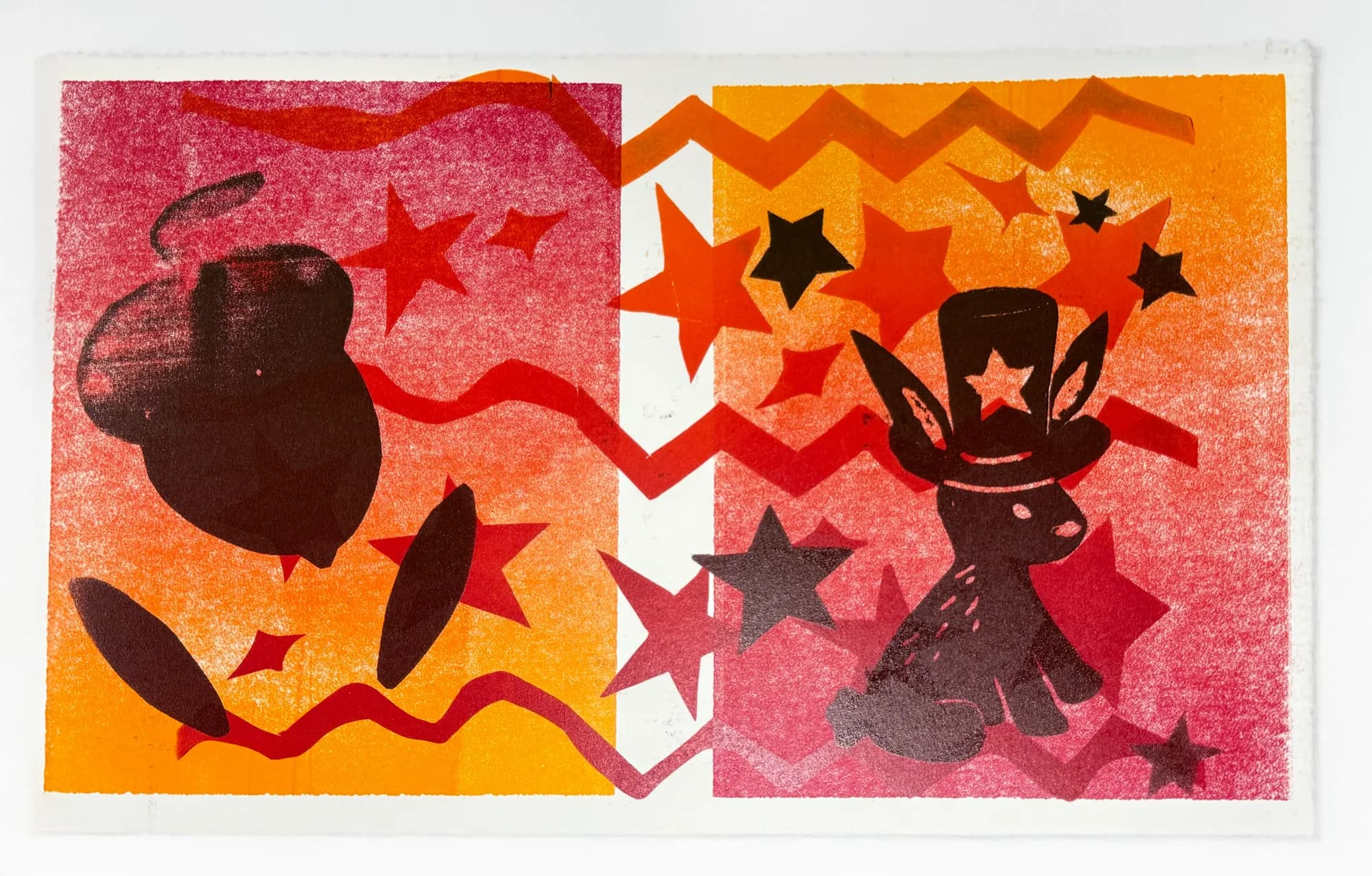
Test Printing patterns on gradient print.
Test printing gradients.
Putting the print for drying.
Type Setting For the Poster Vote 4 Change
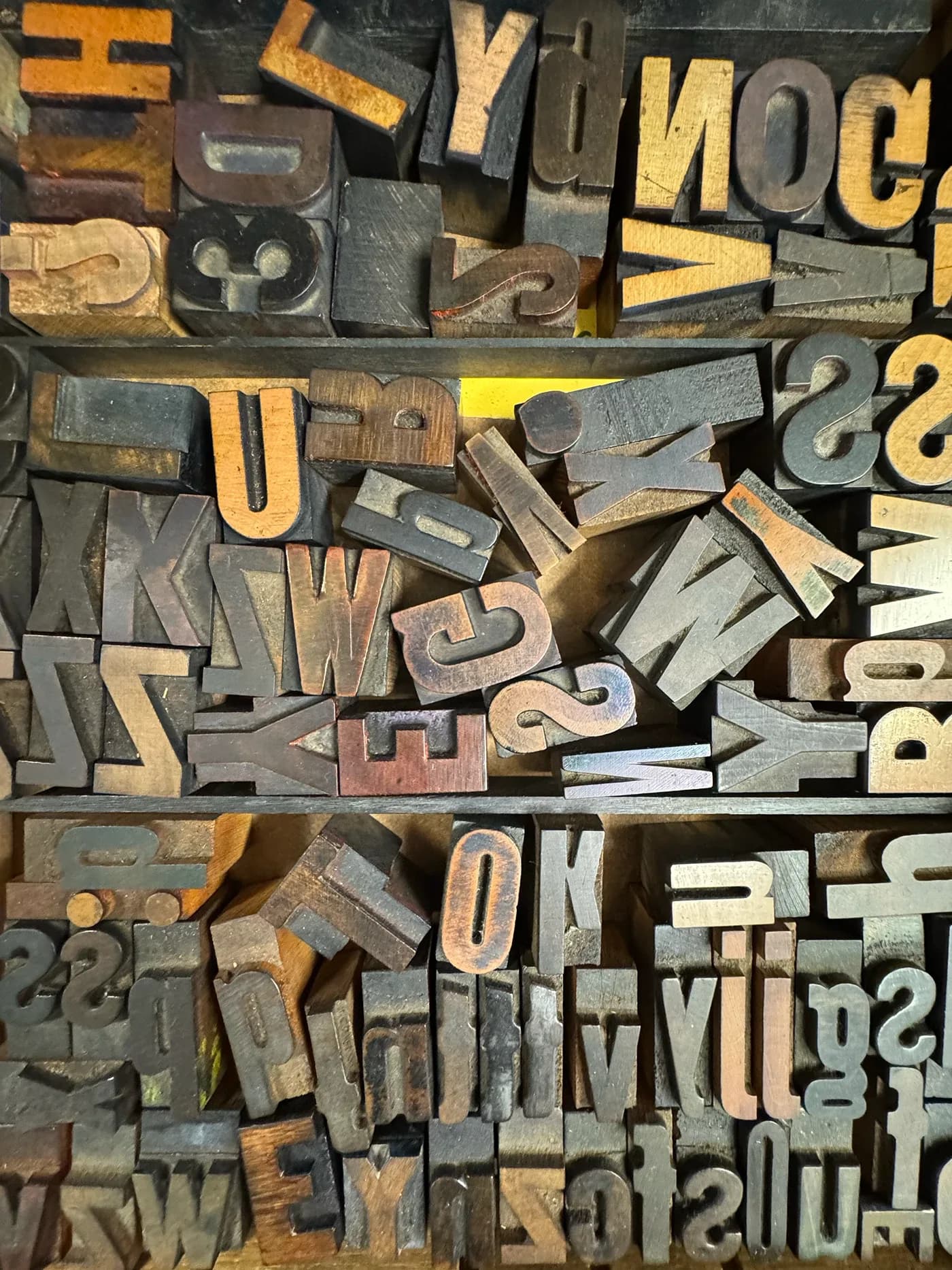
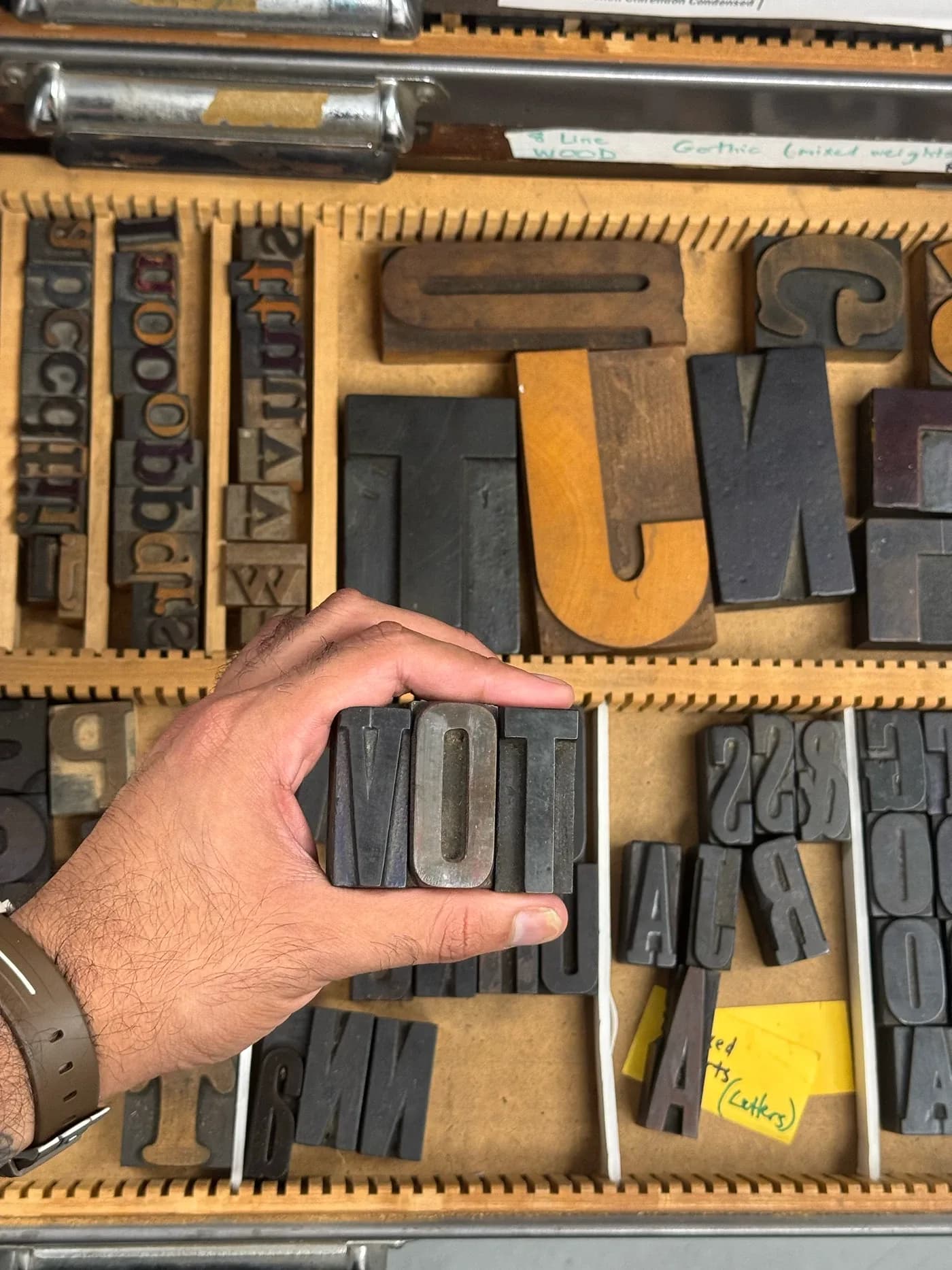
Finding type blocks to compose and print the poster.
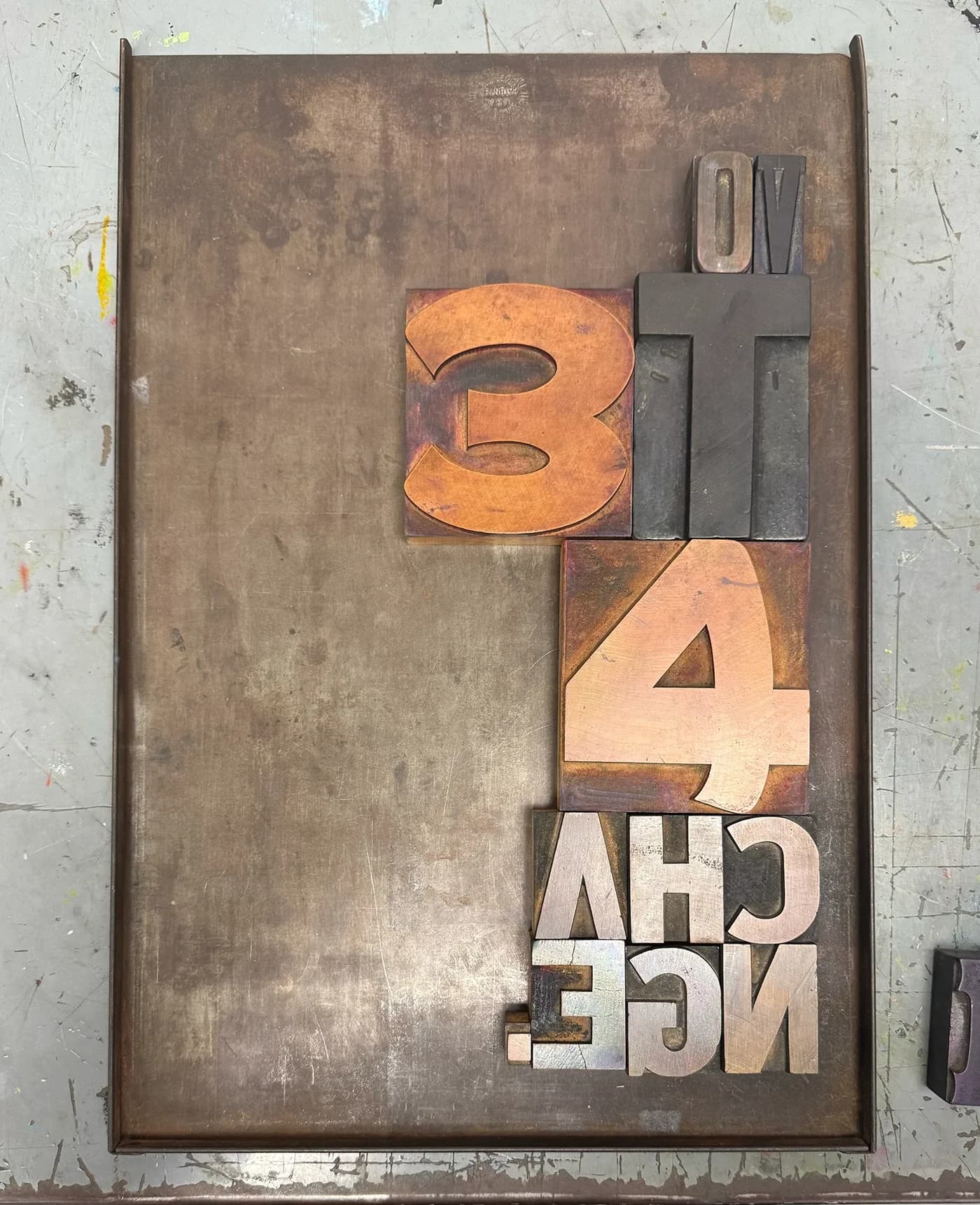
Composition for the Poster
Composing the type Blocks.
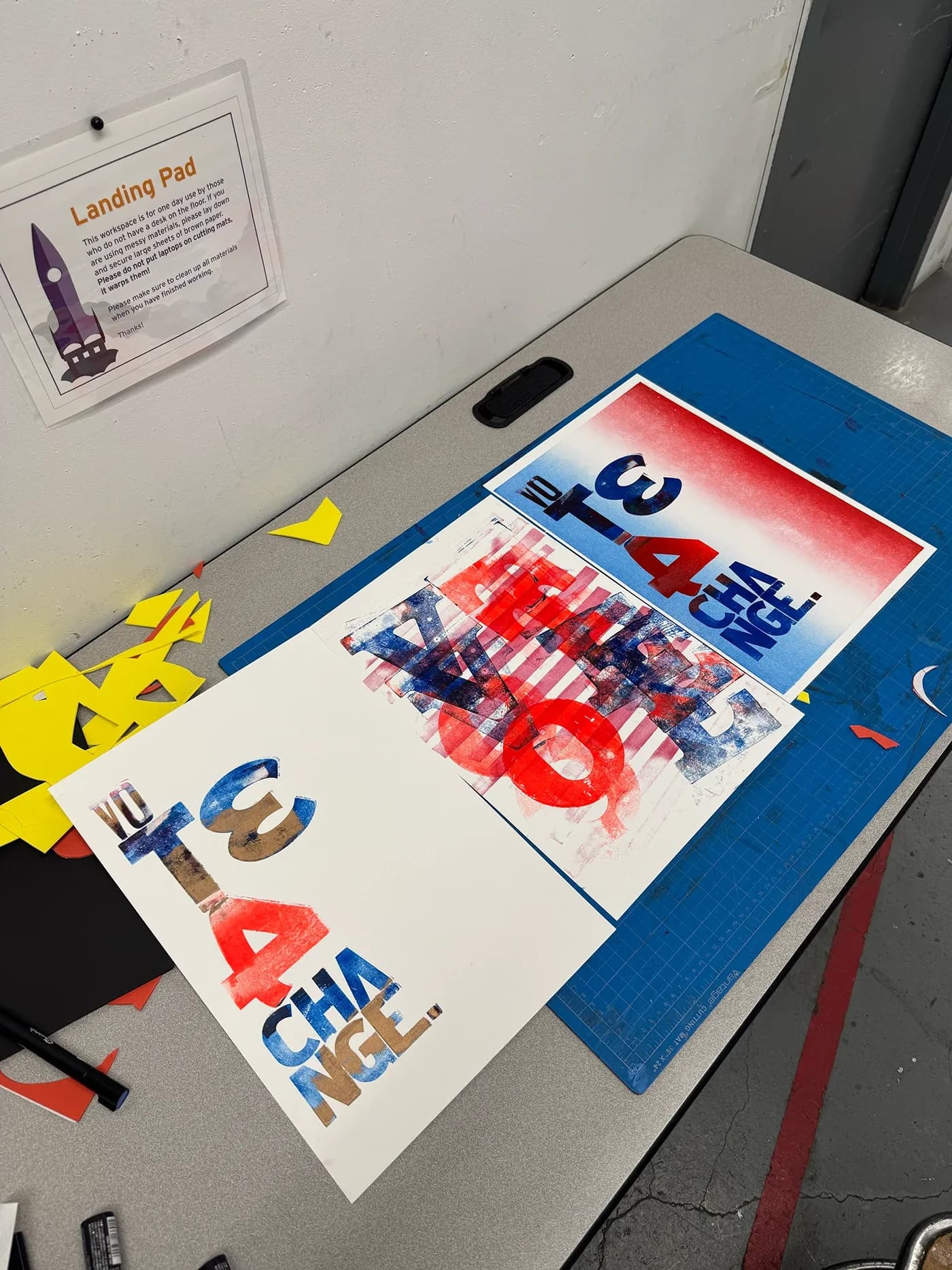
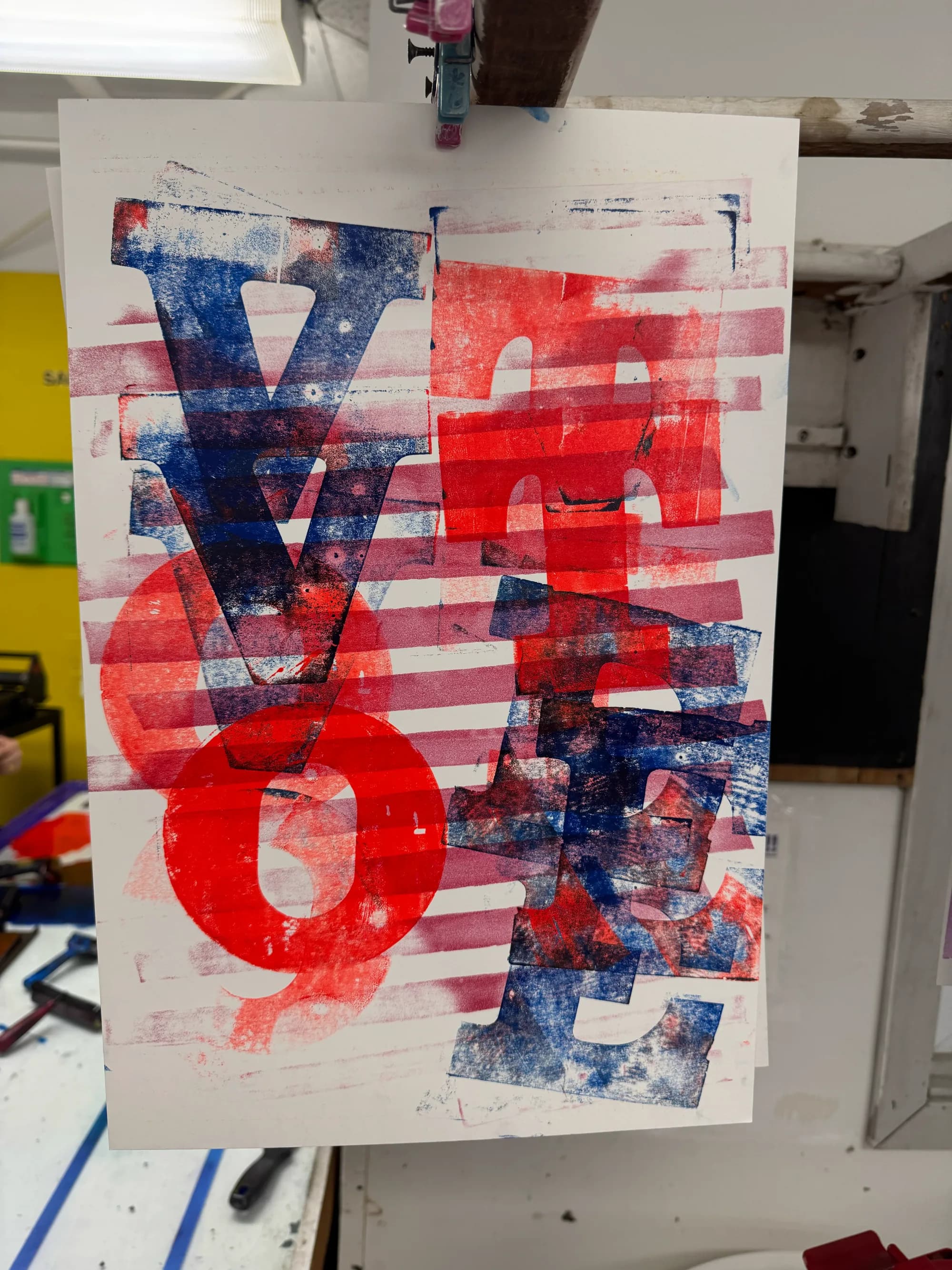
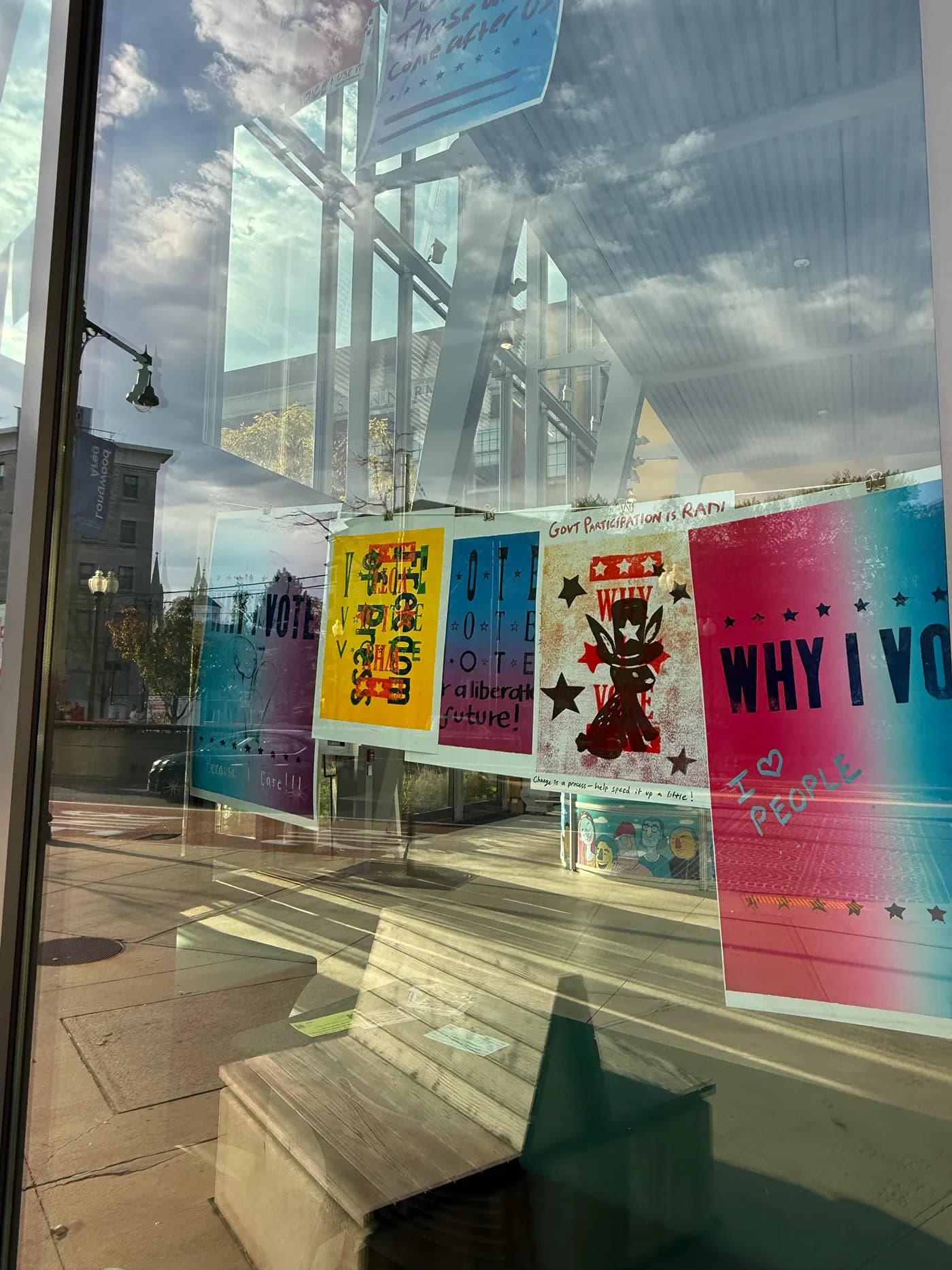
Posters Showcased at DMC @ MassArt
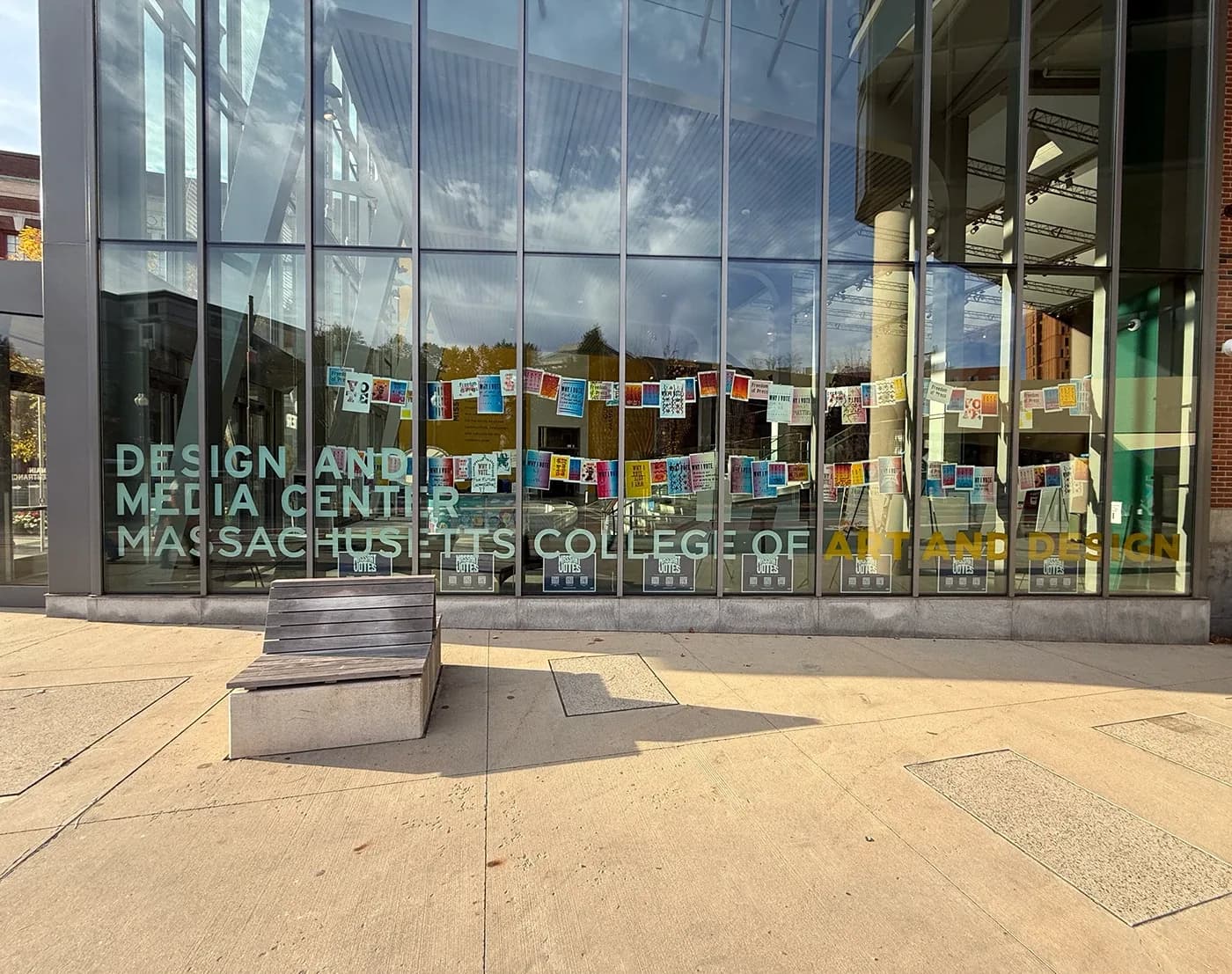
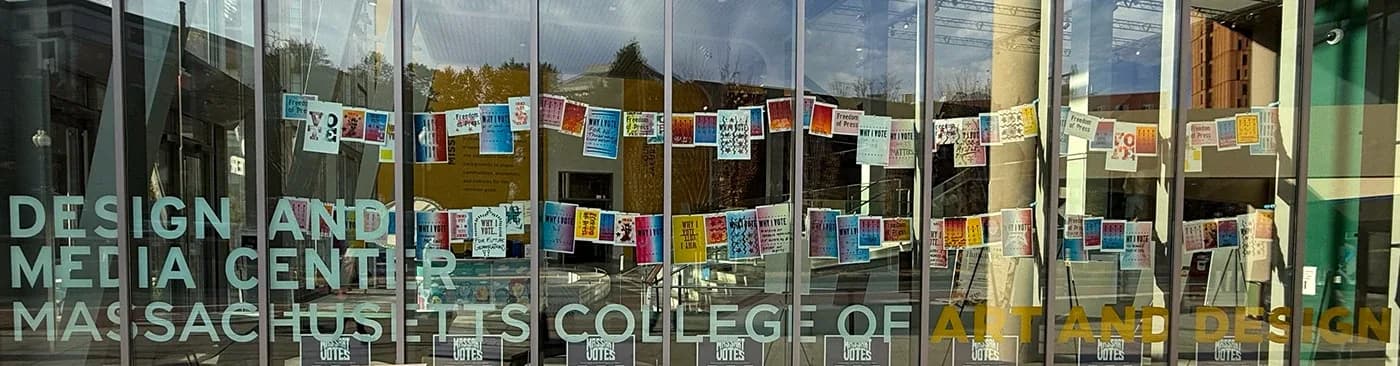
More work
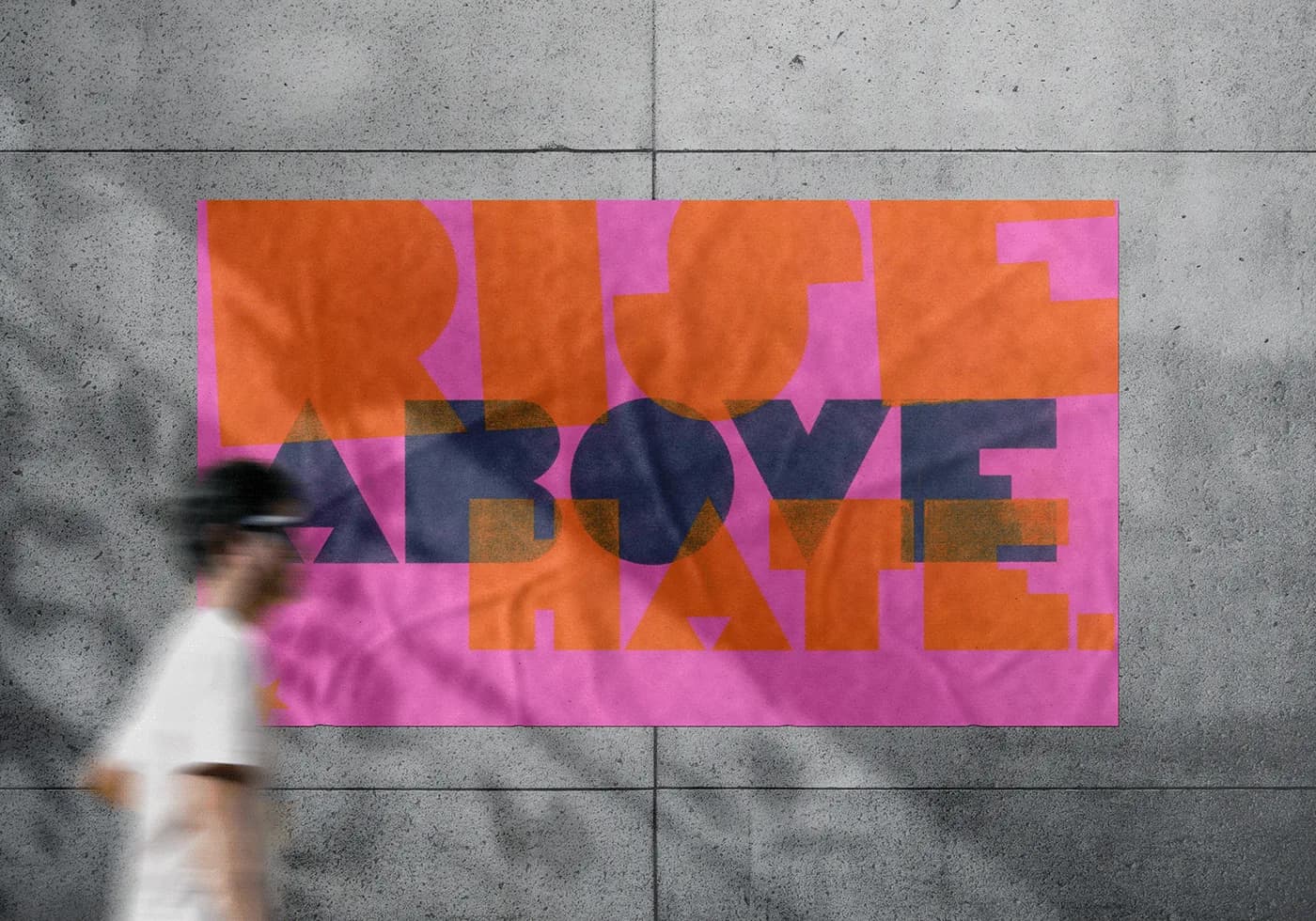
Intervene: Risograph Prints
Risograph posters reading Rise Above Hate in layered geometric type, made for the Disobedient Design course at MassArt.
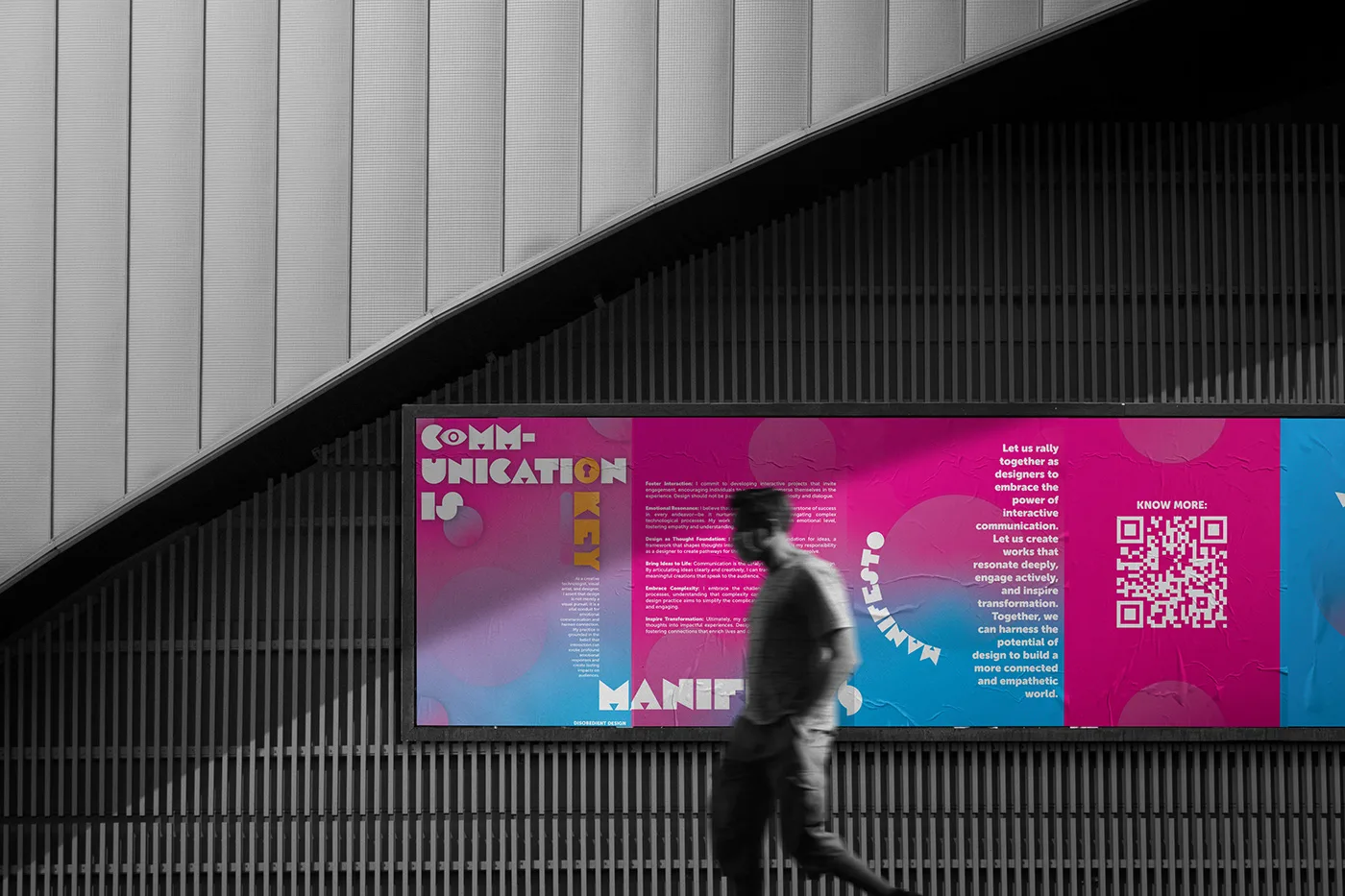
Designer's Manifesto
A personal design manifesto told through gradient posters and a QR link, arguing for communication, interaction and originality over trends.
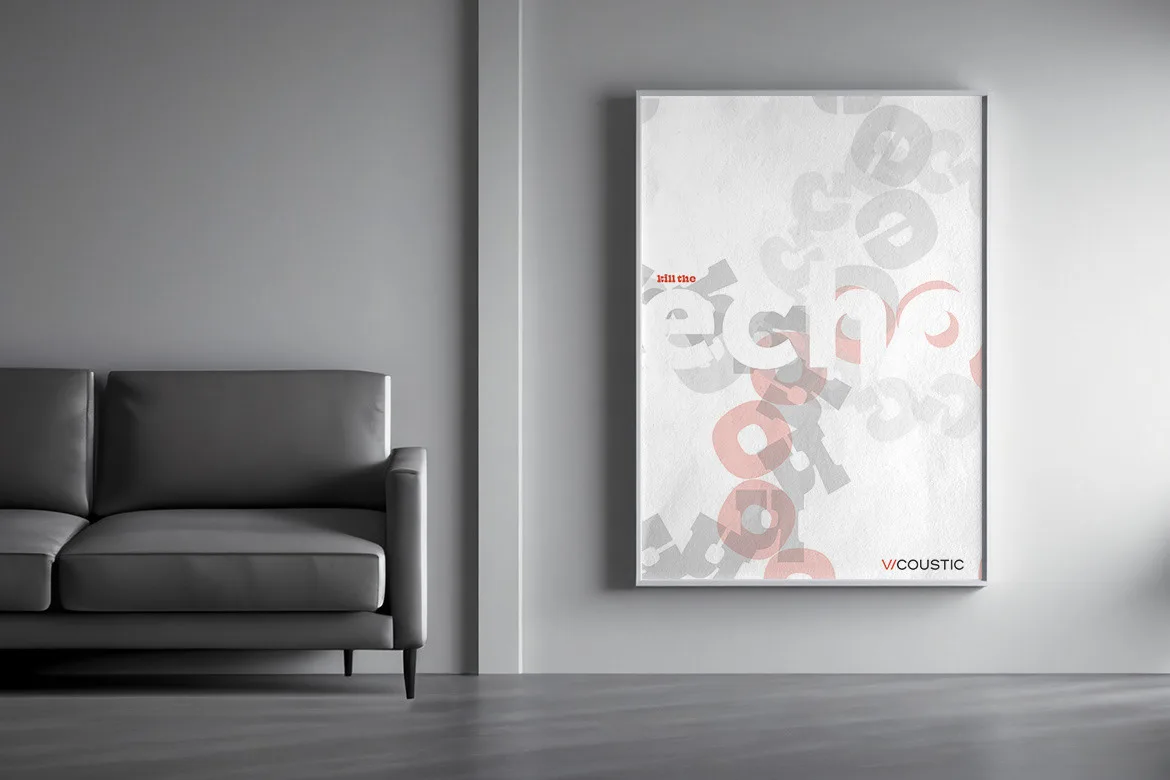
Vicoustic Kill the Echo
A typographic poster and social posts for Vicoustic acoustic panels, where the word echo repeats and scatters to show sound bouncing.