Case study
Designer's Manifesto
A personal design manifesto told through gradient posters and a QR link, arguing for communication, interaction and originality over trends.
- Graphic Design
- Type Design
- Poster Design
In this project, inspired by a rich tradition of manifestos from figures like Karl Marx to F.T. Marinetti, we explored the power of design as a tool for societal transformation. Tasked with creating a personal design manifesto, we identified pressing challenges in contemporary society and articulated a vision for the role of designers in addressing them. The manifesto served as a platform to define individual principles and goals, offering a call to action for fellow designers to create a better world. Whether presented as a list, essay, or visual composition, the final output provided a guide for others to rally around and reflect on their own practices. This project was part of the Disobedient Design course at Massachusetts College of Art and Design, designed by Sofie Hodara and Martha Rettig, and taught by Martha Rettig and Tatiana Gómez.
Course:Disobedient DesignMassachusetts College of Art and Design Instructors:Designed by Sofie Hodara and Martha RettigTaught by Martha Rettig and Tatiana GómezCourse Overview:The Disobedient Design course explores the intersection of design, activism, and societal impact. It challenges students to critically engage with contemporary issues through hands-on assignments that combine analog and digital methods.
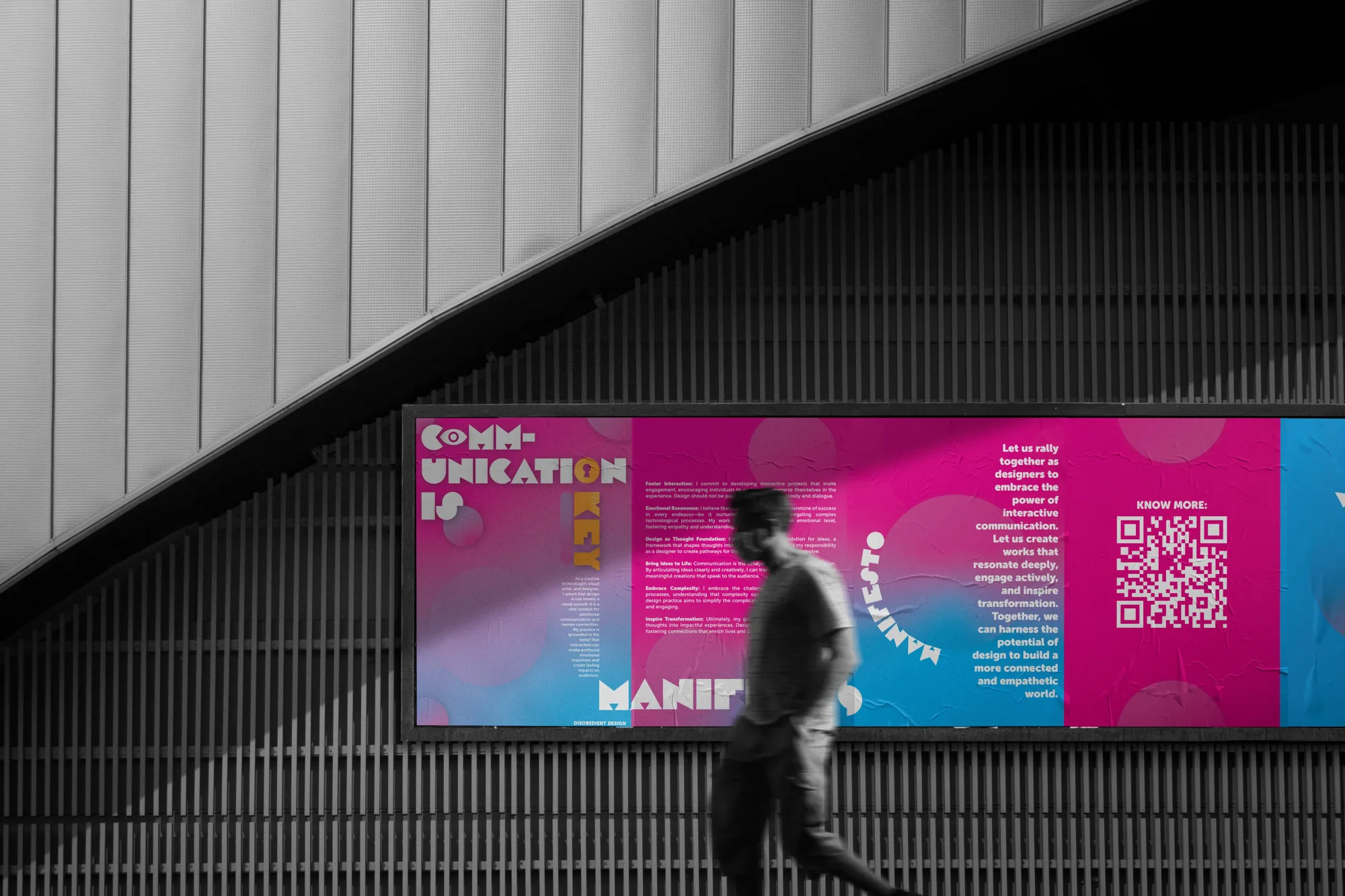
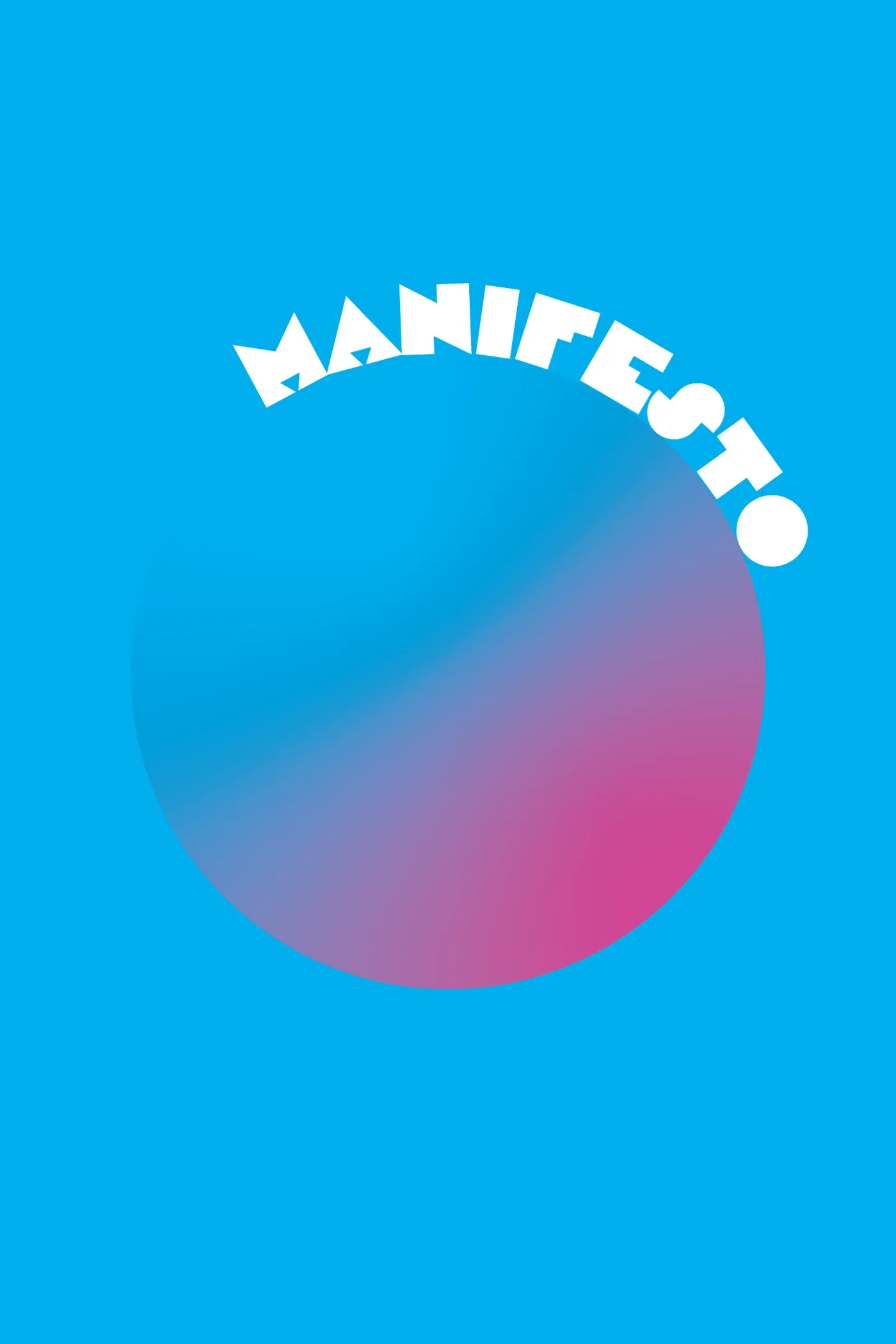
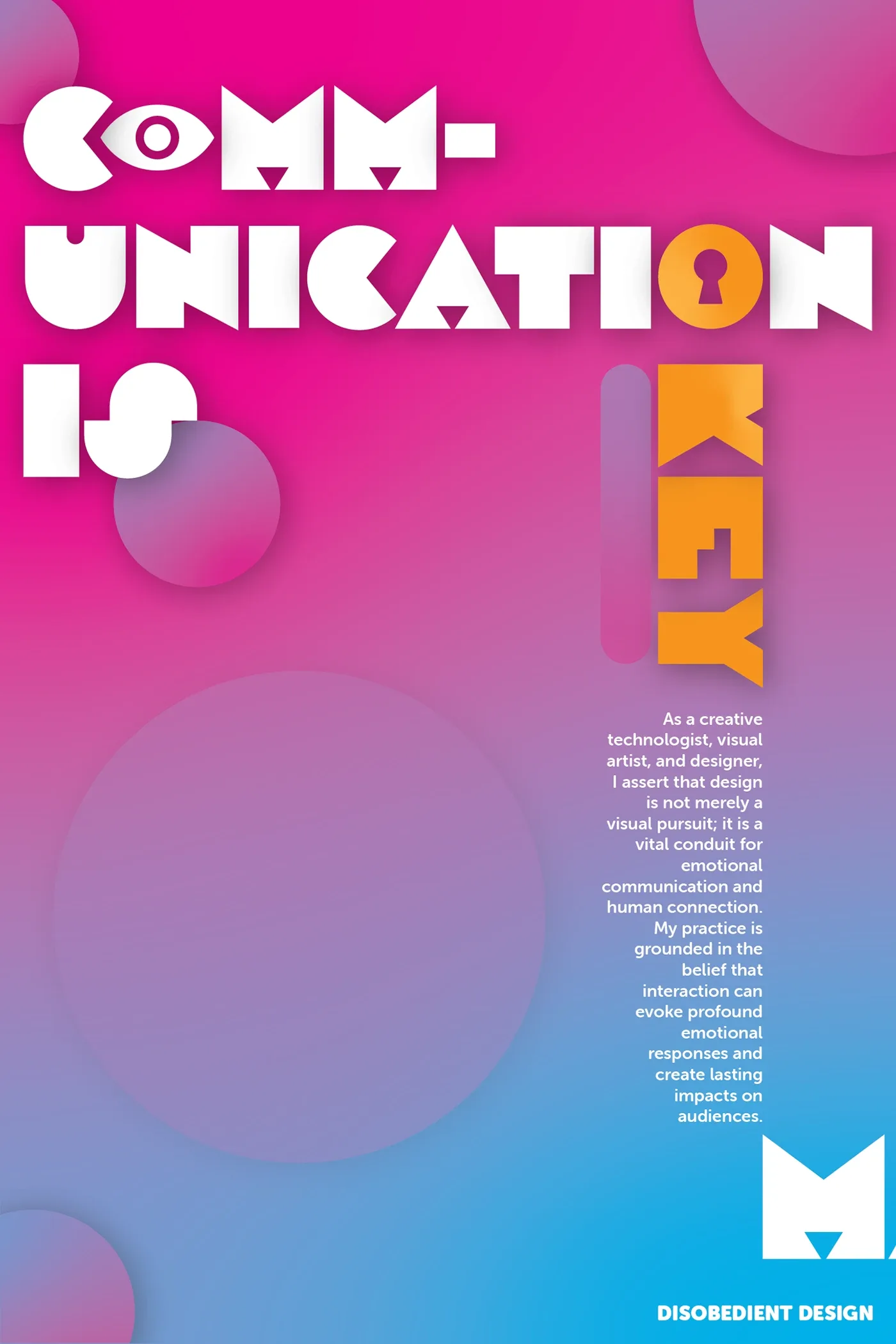
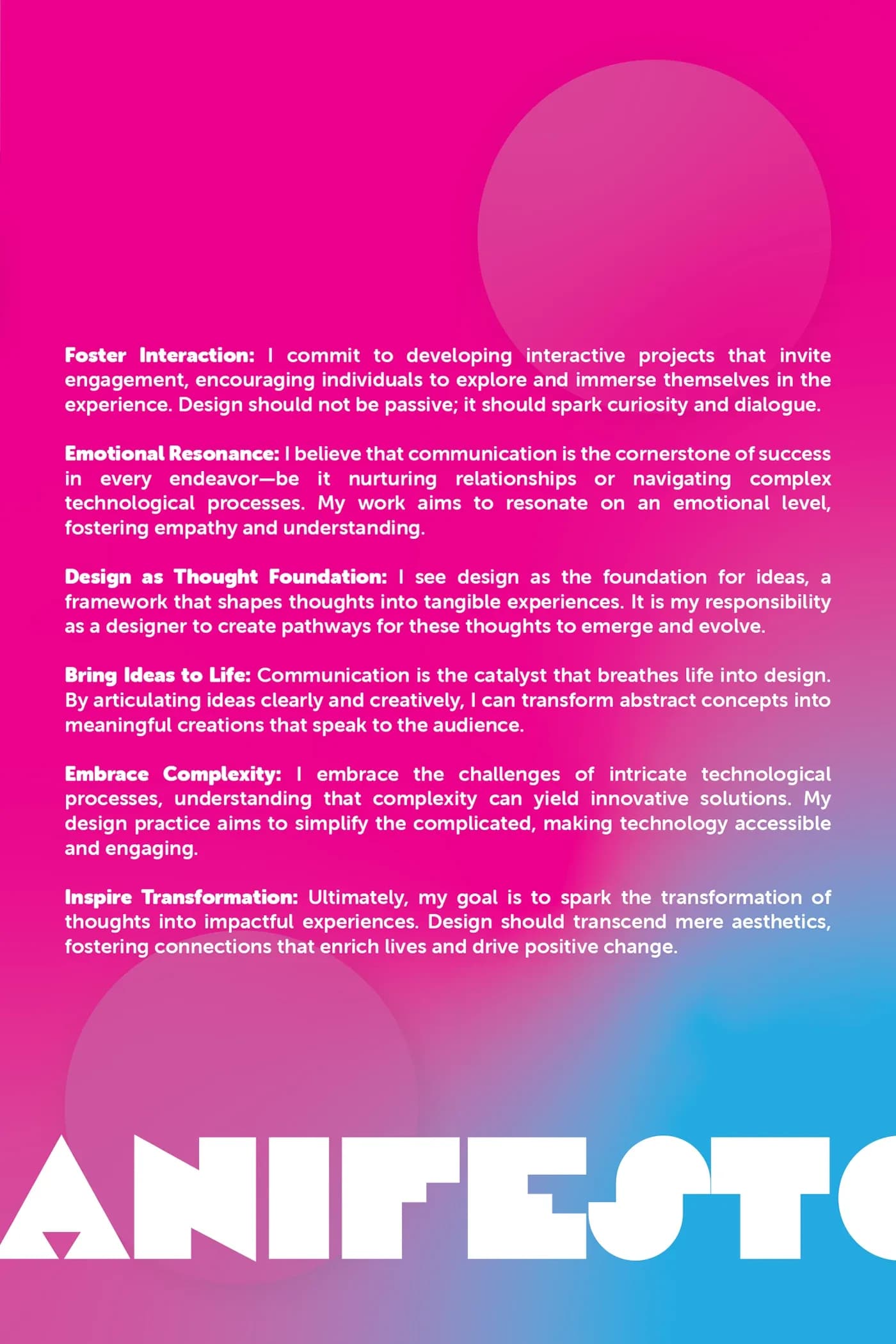
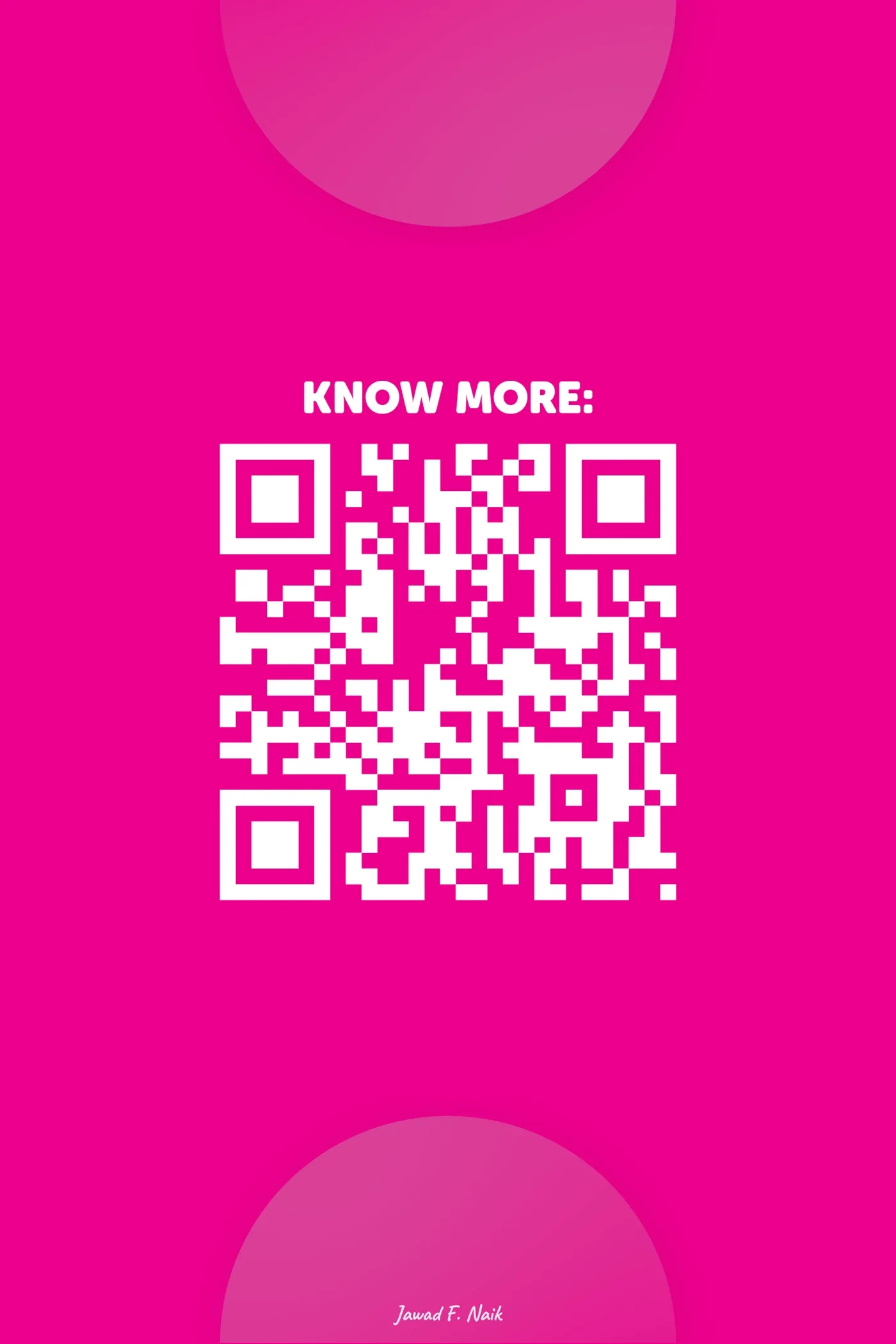
Project 1: Write Your Own Design ManifestoProject Description:“Karl Marx had one. The Unibomber had one. When Thomas Jefferson wrote the Declaration of Independence in 1776, he drafted the manifesto that launched the American Revolution. Graphic design would not exist as we know it today if F. T. Marinetti hadn't published his manifestos and instigated Futurism…”–– Manifesto ManiaFollowing in this long tradition, you will create a short document that “manifests,” or articulates, your vision for the role of design.Design manifestos often start by addressing a problem or concern. And they often end with a call to action; the author may lay out principles or tenets to guide designers to their vision of a better designer or better world. Regardless of its format (list, essay, imagery), the document serves a greater community: it offers concrete advice and a vision for other designers to rally around.Project Objectives:Consider the role of design and designers in contemporary society/in this classDefine a personal vision and goals for your work as a designerArticulate your ideas in the most appropriate visual form.Project Specs:Your manifesto should answer the following questions:• What does it mean for you to be a designer today? • What challenges or problems do you as a designer face?• What is or what are your aspirations as a designer in this class?• How can design/designers work towards your vision of design?Your manifesto is encouraged to be primarily text-based (~150–300 words). It may take the form of an essay, a list, commandments, or a poem. But if you can do it in visual form, go right ahead.Consider the visual form of your manifesto. What typeface are you using? What colors are you using? What orientation is your paper? Why? What is a Manifesto ?A manifesto is a powerful declaration of beliefs, values, and intentions, often written to inspire action or spark change. It serves as a guiding framework, articulating a vision for a better future while addressing current challenges or concerns. Manifestos have historically been used across politics, art, and design to rally communities around shared principles and goals. For example, The Communist Manifesto by Karl Marx and Friedrich Engels in 1848 outlined a revolutionary vision for class equality and became a cornerstone of political movements. In art, F.T. Marinetti’s Futurist Manifesto in 1909 boldly rejected traditional aesthetics and celebrated modernity, speed, and innovation, shaping the Futurist movement. Similarly, The First Things First Manifesto (originally published in 1964 and revisited in 2000) challenged designers to prioritize socially responsible work over commercialism, reshaping discussions around the ethics of graphic design.My Take:In design, a manifesto offers a personal or collective perspective on the role and responsibilities of creators. It is not merely a statement of ideas but a dynamic document that provokes thought, encourages dialogue, and ignites a shared sense of purpose, urging designers to move beyond aesthetics to address broader societal issues.This project explores the power of a design manifesto—a statement that defines your beliefs and vision as a designer while addressing the challenges of our time. Inspired by historical examples like the Futurist manifestos and the Declaration of Independence, the goal was to articulate a personal perspective on the role of design in contemporary society and its potential for impact.Through this project, I reflected on critical questions like:• What does it mean to be a designer today?• What challenges do I face as a designer?• How can design drive change and work toward a better future?Process and Reflections:The manifesto I created combines concise, impactful text with a thoughtful visual presentation, balancing bold typography and a clean layout to emphasize its message. The final result is a rallying cry for ethical, inclusive, and forward-thinking design, encouraging the design community to embrace creativity as a tool for social transformation.Concept:The foundation of this project is the belief that design is not merely a visual pursuit; it is a process of creating dialogue and cultivating emotional resonance. Communication is the thread that binds ideas, emotions, and human connection, making it the cornerstone of impactful design.In crafting this manifesto, I addressed key concerns about the design landscape today:• Homogeneity and Trend Following: A widespread tendency to mimic popular trends has resulted in a loss of originality and depth in design.• The Role of Technology: While generative AI and digital tools have expanded creative possibilities, they also pose the risk of diminishing the richness of human creativity and communication.• Erosion of Human Interaction: Technology, particularly smartphones and social media, has often replaced authentic interaction with shallow exchanges.Against this backdrop, my manifesto advocates for a shift toward meaningful design practices that prioritize empathy, originality, and transformative experiences. It serves as a reminder that design can transcend aesthetics to create real, lasting connections.Design Approach:The manifesto was brought to life through a bold and dynamic visual system. Each poster in the series was meticulously designed to emphasize the core principles of the manifesto while inviting viewers to engage with its message.Visual Language:The posters use a vibrant gradient of pinks, purples, and blues to evoke energy, creativity, and connection. The gradient serves as a metaphor for the blending of ideas and emotions in the design process. The typography is geometric and playful, conveying both authority and accessibility.The layout of each poster was carefully crafted:1. Headline Focus: Phrases like “Communication is Key” take center stage, using bold type and a visually striking keyhole graphic to symbolize unlocking deeper connections.2. Circular Motifs: Circular shapes are used throughout to represent unity, continuity, and the cyclical nature of communication.3. Minimalism with Purpose: Negative space is employed strategically to draw attention to the key message while creating a sense of balance and clarity.Interactive Elements:The manifesto invites viewers to go beyond the physical posters. A QR code connects to additional content, encouraging further exploration and interaction. This extension reflects the manifesto’s emphasis on creating immersive and engaging experiences.Content Development:The text of the manifesto breaks down my philosophy into actionable principles:• Foster Interaction: Design should spark curiosity and dialogue, inviting users to explore and engage.• Emotional Resonance: Work that connects on an emotional level fosters empathy and understanding.• Design as a Thought Foundation: Every project begins with a strong conceptual framework to ensure depth and purpose.• Embrace Complexity: Simplify the intricate without losing its essence, making technology and ideas more accessible.• Inspire Transformation: Use design to create impactful experiences that provoke thought and drive positive change.By grounding the visuals in these principles, the posters communicate a clear narrative while leaving room for interpretation and personal reflection.Outcome:The final deliverables include a cohesive series of visually engaging posters, each reflecting the manifesto’s guiding principles. These posters are not just aesthetic artifacts—they are tools for advocacy, challenging designers to reconsider the role of communication and connection in their work.• Poster 1: “Communication is Key” focuses on the core idea of fostering connection, using bold typography and a gradient background to grab attention.• Poster 2: A rallying call for designers to embrace the power of interactive communication, inspiring them to create work that resonates deeply and inspires transformation.• Poster 3: A detailed breakdown of the manifesto principles, presented with clarity and hierarchy to encourage reflection.• Interactive Extension: The inclusion of a QR code ties the physical and digital elements together, reinforcing the manifesto’s call for immersive engagement.This project culminates in a thoughtful, impactful exploration of how design can transcend its visual nature to become a tool for social change and emotional connection.
Poster Mockup View
Poster Renders
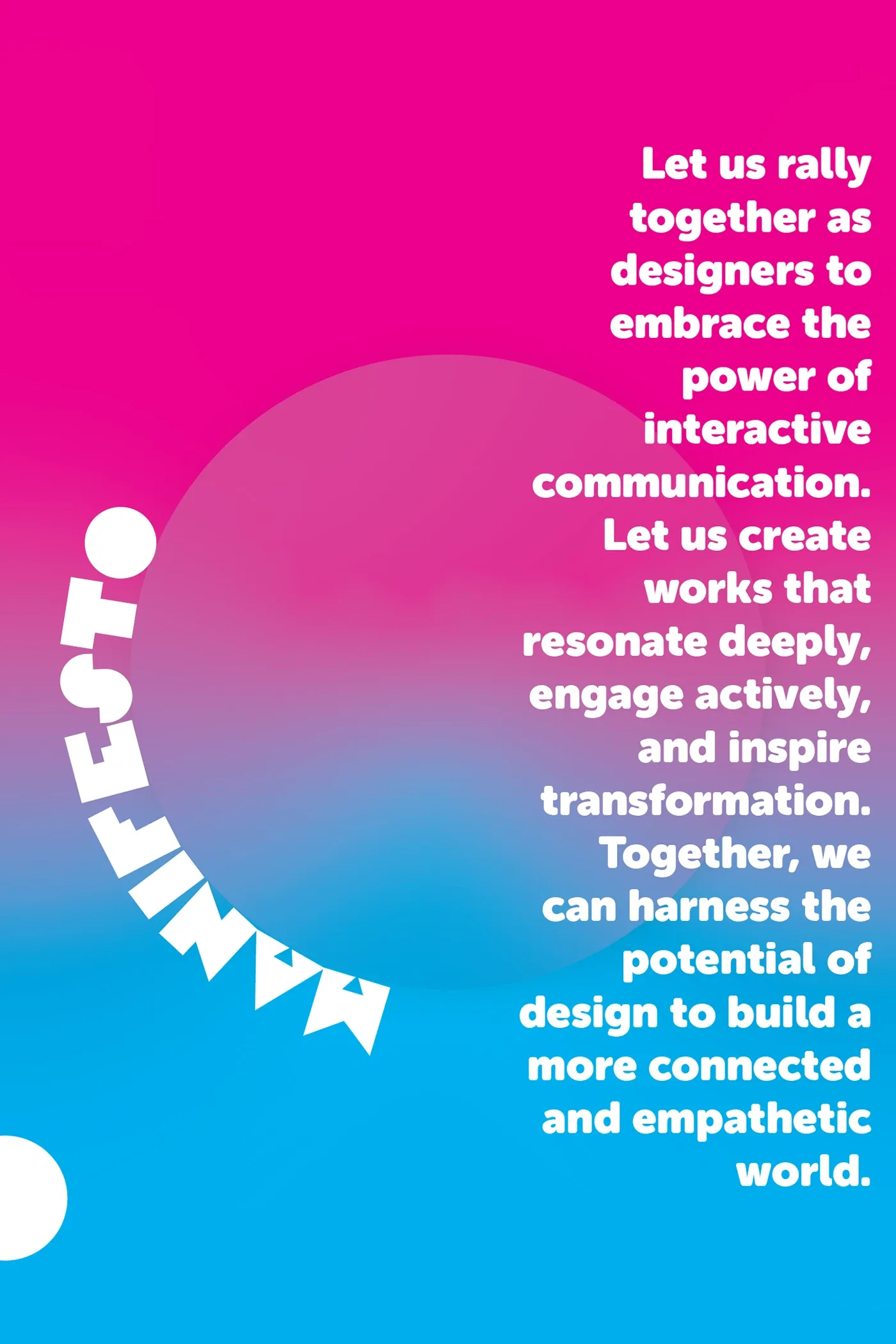
Written Extract
J A W A D’ S M A N I F E S T OAs a visual communication designer, creative technologist, and artist, I firmly believe communication and interaction play pivotal roles in every human life. Design is about building a thought process, and effective communication is essential for translating that thought process into reality. In my creative practice, I focus on fostering meaningful communication and interactivity, centering on profound concepts rather than superficial ideas. I aim to develop projects that deeply resonate with my audience and catalyze transformative change within them.However, as I navigate the current design landscape, I observe a troubling trend: many designers seem to follow trends, resulting in a homogeneity where everything looks and feels identical. This loss of uniqueness and originality undermines the potential impact of design. The design ecosystem is further disrupted by the rise of generative AI and the overwhelming access to readily available inspiration, diluting the richness of human creativity. Moreover, smartphones and the internet are replacing most of our interactions, diminishing the depth of Interaction, communication, and connection.In this class, I aspire to create projects that effectively communicate social issues. By integrating interactive elements, I strive to craft experiences that leave a lasting impact on those who engage with my work. Designers can achieve this by being more empathetic, focusing on developing concepts rather than fleeting ideas, conducting thorough research on communication, and truly understanding the issues at hand. Through this approach, I hope to challenge conventions, provoke thought, and inspire change, ultimately using design as a force for good in a world that desperately needs it.
More work
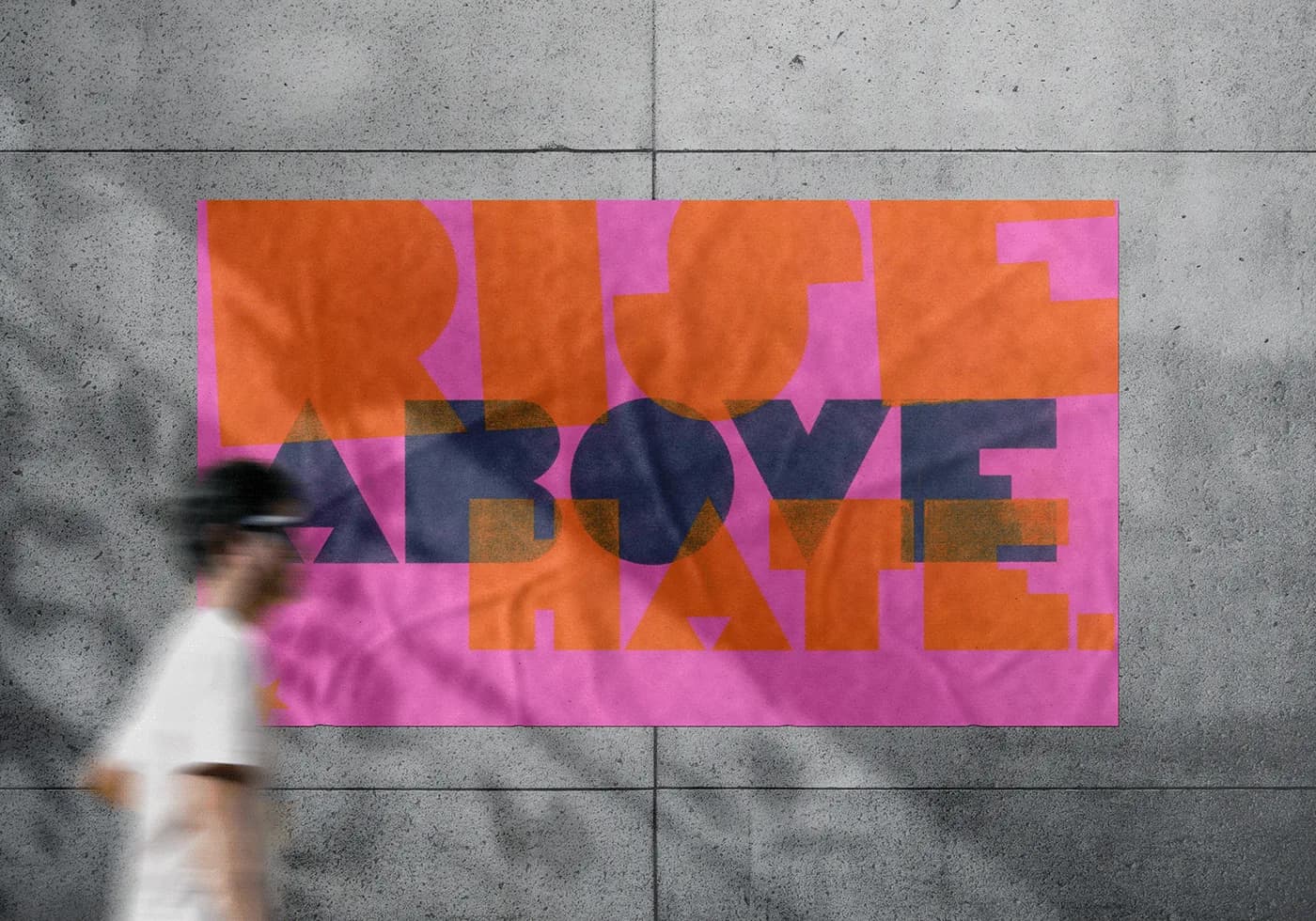
Intervene: Risograph Prints
Risograph posters reading Rise Above Hate in layered geometric type, made for the Disobedient Design course at MassArt.
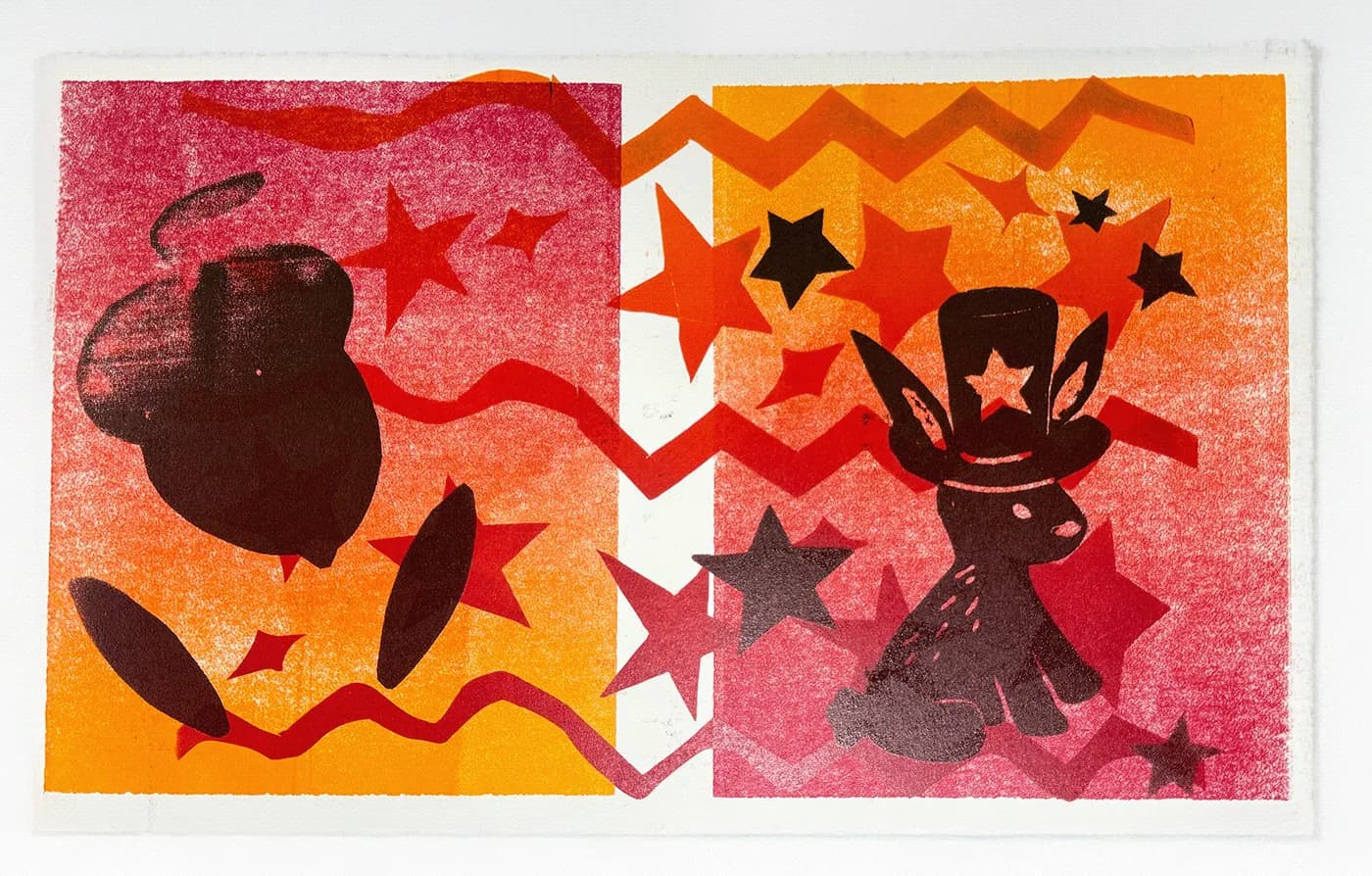
Empower: Letterpress Voting Posters
Letterpress posters for the 2024 U.S. election season, set in wood type to get the MassArt campus talking about voting.
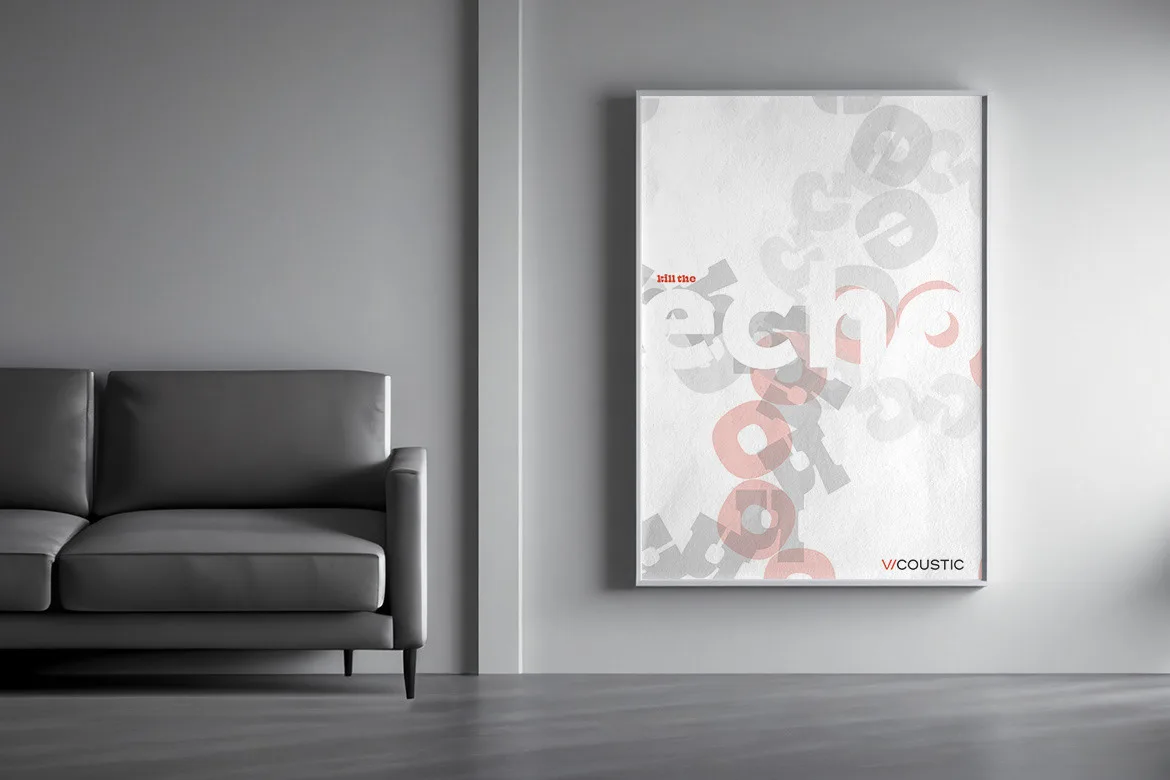
Vicoustic Kill the Echo
A typographic poster and social posts for Vicoustic acoustic panels, where the word echo repeats and scatters to show sound bouncing.