AI in home healthcare gets talked about in big terms: predicting outcomes, transforming care, replacing paperwork. In my day-to-day work with agencies, the useful version is much more modest. AI helps most with communication and administrative work around care, and it helps least, or should not be used at all, where clinical judgment and human trust are involved.
I have spent the last few years building software for home healthcare, from Pinn.Care at Pinn.Media to an AI receptionist at Epic Home Healthcare, my current role as Solutions Architect at Lonestar Home Healthcare, and now Nuraflow. This post is my honest map of where AI earns its place in agency operations and where I keep it out.
Why agencies are looking at AI in the first place
Home healthcare agencies run on coordination. Every day involves intake calls, caregiver schedules, last-minute call-offs, family questions, referral follow-ups, visit verification and billing. Much of that work is repetitive, time-sensitive and spread across phones, inboxes and several systems.
That combination (high volume, predictable patterns, real cost when something slips) is exactly where software can help. The question isn’t whether AI is impressive. It is whether a specific task is structured enough, and low-risk enough, to hand over.
Where AI actually helps
Answering and routing calls
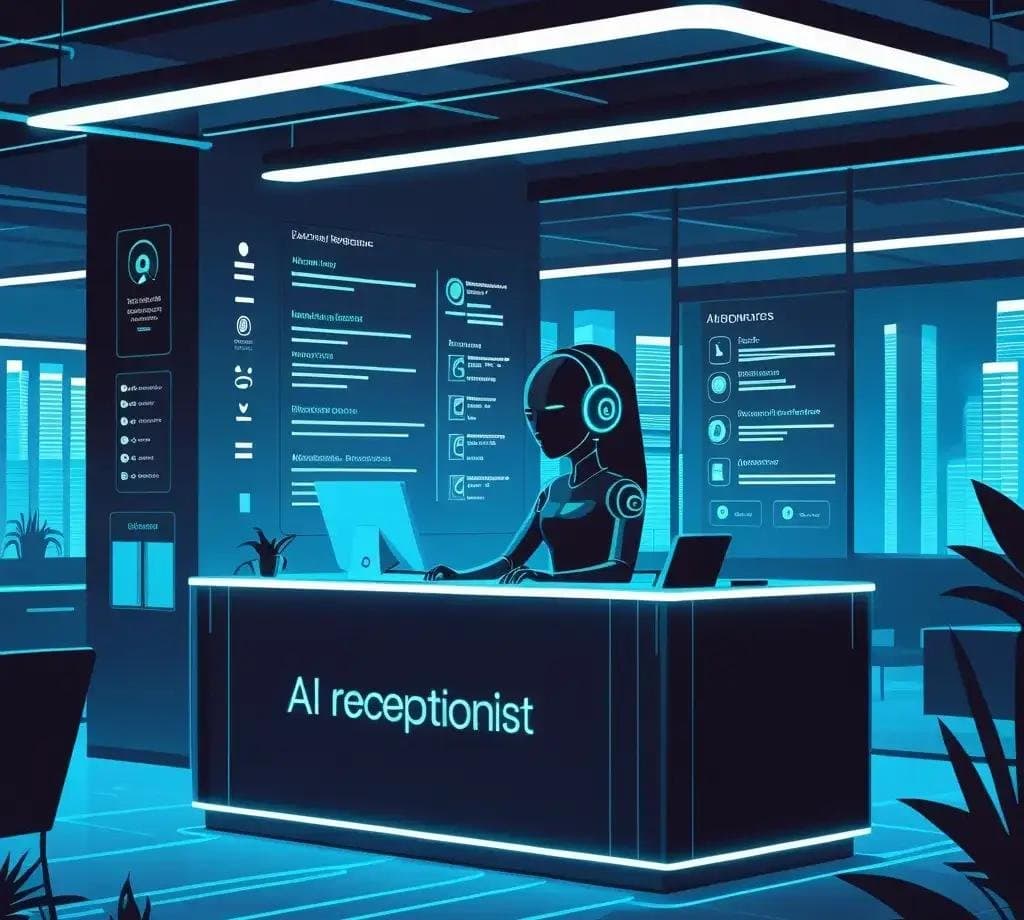
The first point of contact is where I have seen AI make the clearest difference. Families often call in the evening, referral partners call at busy times, and prospective clients who reach voicemail may simply call someone else. An AI receptionist can answer common questions about services and service areas, collect intake details, and route urgent calls to a person. I wrote about the full build in how I built an AI receptionist for a home healthcare agency.
Intake and lead capture
Structured questions are a good fit for AI: who needs care, where they live, what kind of help they need, how they are paying, and the best way to reach the family. Capturing this consistently, straight into the agency’s system, means no sticky notes and no follow-ups that depend on memory.
Scheduling support
Scheduling is one of the hardest jobs in an agency. AI can assist by suggesting caregivers for an open shift based on availability, location, skills and client preferences, or by contacting available caregivers when someone calls off. The scheduler still makes the final call, but they start from a shortlist rather than a blank screen.
Reminders and routine updates
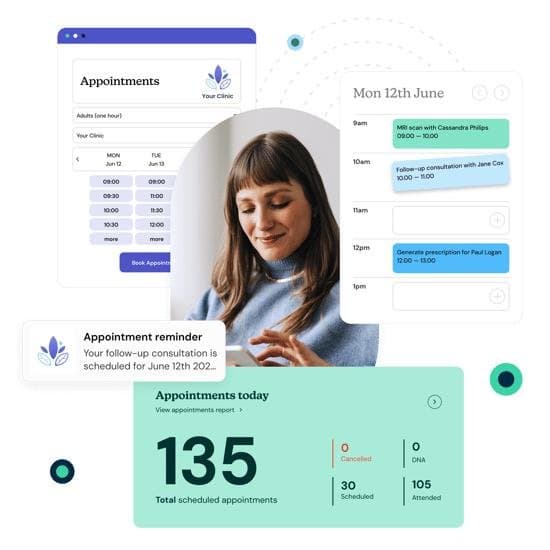
Visit reminders, shift confirmations, document expiry notices for caregivers, and simple status messages to families are all predictable and high-frequency. They are ideal for automation, with AI helping where replies come back in free text.
Documentation and summaries
Summarizing a long intake call, drafting a follow-up email, or turning scattered notes into a clean internal record are useful time savers. The key word is drafting: a person reviews and owns anything that goes into a client record.
Billing preparation
AI can help flag likely problems before claims go out: a visit without matching verification, a missing authorization, or a note that doesn’t line up with the schedule. Catching these earlier can reduce the rework that comes with denials. Final billing decisions stay with trained staff.
Where I keep AI out
This part matters more than the list above. In healthcare, the cost of a confident wrong answer is high, so I draw firm lines.
- No medical advice. The AI can explain what services the agency offers. It does not assess symptoms, suggest treatments or tell anyone whether something is an emergency. Anything clinical goes to a qualified person, and emergencies are directed to emergency services.
- No care decisions. Care plans, clinical assessments and changes to care belong to licensed staff.
- No difficult conversations. Complaints, grief, a family in distress, a caregiver facing a hard situation. These need a human voice.
- No unsupervised compliance decisions. AI can help organize information, but it doesn’t decide what meets a regulatory requirement.
Every AI touchpoint I design has a clear, fast path to a human. Nobody should ever feel trapped talking to a machine when they need a person.
Privacy, HIPAA and trust
Any system that handles protected health information has to be built with HIPAA in mind from the start. In practice that means choosing vendors who will sign a Business Associate Agreement (BAA), limiting what data the AI can see to what the task needs, encrypting data, controlling access by role, and keeping audit logs. It also means being careful about which AI services data is sent to and how it is stored.
This is not legal or compliance advice, and every agency should involve its own compliance advisors. But as a design principle, I treat privacy as part of the product, not a checkbox at the end. Families are trusting the agency with their most personal information, and the software should honor that.
Making it work in a real agency
The technology is rarely the hardest part. What makes AI succeed in an agency is the groundwork:
- Map the workflow first. Document how calls, intake, scheduling and billing actually move today, including the workarounds.
- Start with one task. After-hours calls or intake are usually the best first step.
- Connect it to your systems. AI that doesn’t write into your scheduling and client records just creates another inbox to check.
- Train the team. Staff should know what the AI does, what it hands off, and how to correct it.
- Review conversations regularly. Tuning the AI based on real calls is ongoing work, not a one-time setup.
This is the same philosophy behind why most small businesses don’t need AI yet: systems first, then AI on top.
The bigger picture
Agencies face growing demand, heavy administrative load and ongoing staffing pressure. AI won’t solve those problems on its own. What it can do is take repetitive work off the plates of coordinators and office staff, so they spend more of their day on caregivers, clients and families.
Pinn.Media is building the technology infrastructure that makes home healthcare agencies more capable and makes aging Americans less alone.
Jawad Farooq Naik, in Shoutout LA
That is still how I think about it. The goal isn’t an AI-powered agency. It is a more capable one, where technology handles the routine and people handle the care. It is also what I’m building into Nuraflow, and why I wrote a separate guide to choosing home healthcare agency software.
Where to start
If you run or work at an agency and are wondering where AI would genuinely help, start by listing the tasks your office repeats every day and the moments where things fall through the cracks. That list is usually the roadmap.
I’m glad to look at it with you. Reach out here, see examples of my healthcare and AI work in the portfolio, or read more about my path into healthcare technology on my journey page.