Event Identity Design: From Instagram Story to Wristband
An event brand is born on a phone and ends on a wrist at the door. Here is how I designed MultiVerse ’21 to read at story size, poster size and twenty millimetres.
Read the postBlog
Practical writing on AI and automation, home healthcare software, websites, SEO, branding and tangible tech. What I’ve built, what worked, and what I’d do differently.
35 posts, newest first
An event brand is born on a phone and ends on a wrist at the door. Here is how I designed MultiVerse ’21 to read at story size, poster size and twenty millimetres.
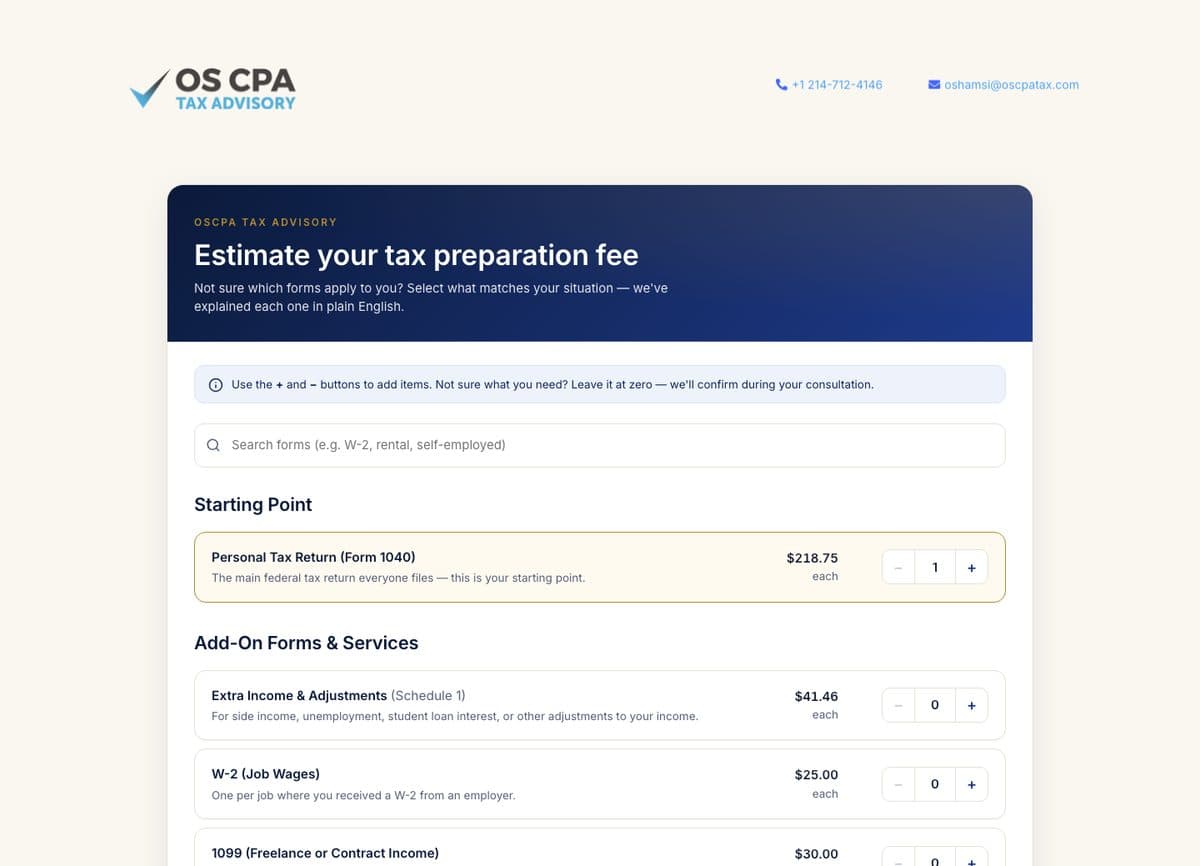
Read the postMost service businesses should show prices, just not as a flat list. Here is how I built the OSCPA Fee Estimator, what two Harvard studies say about transparency, and the FTC rules I check before publishing a price.
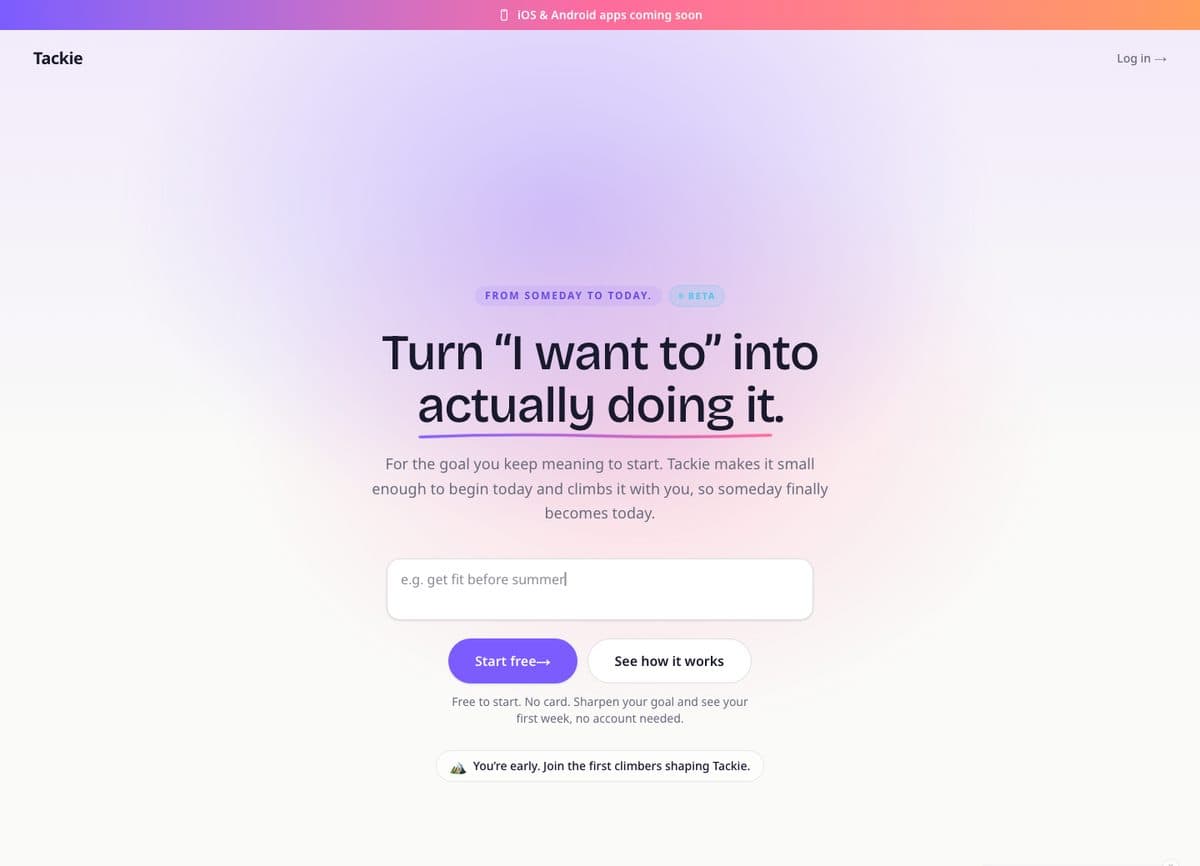
Most goal apps are built for people who are already good at goals. Here is how I built Tackie for everyone else: one question at a time, three to five small tasks a week, forgiving streaks, and a climber who only ever moves up the mountain.
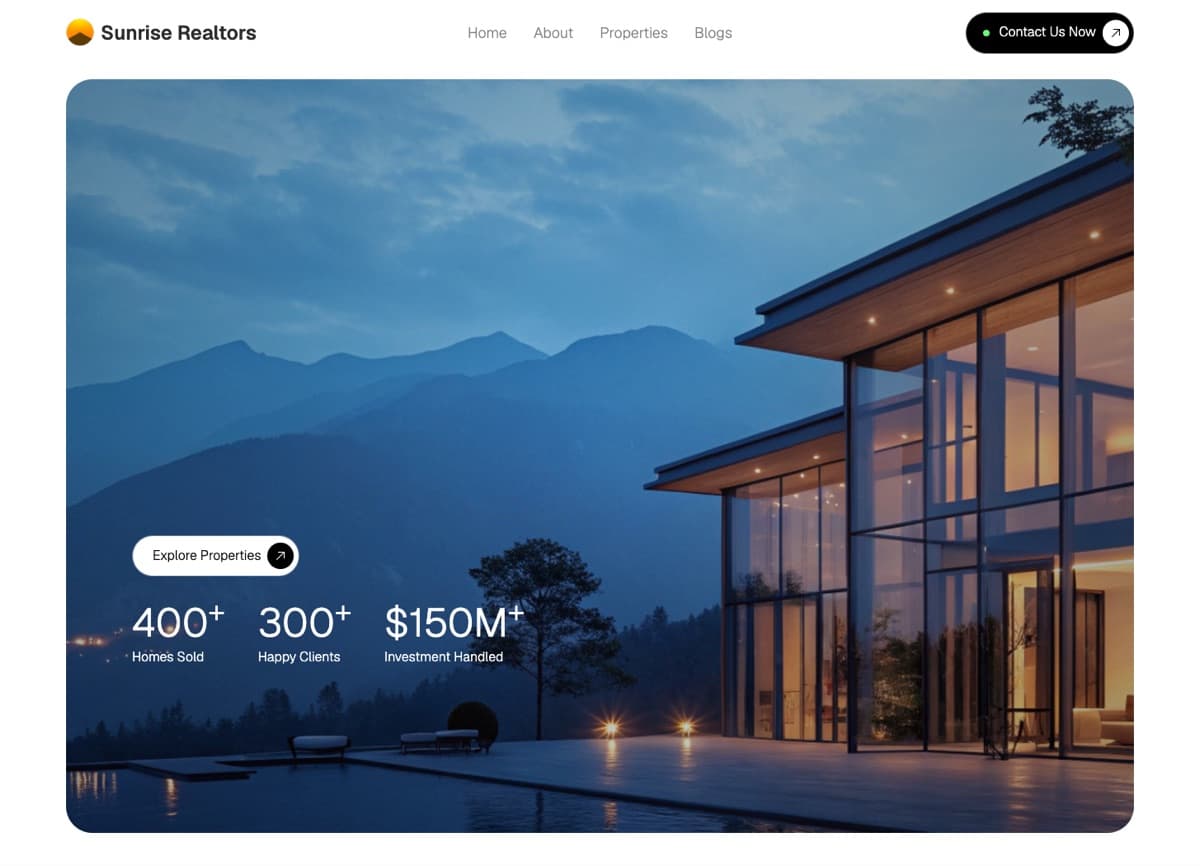
Every Texas brokerage and agent website needs two exact TREC links on its homepage, a properly sized broker name, IDX that refreshes every 12 hours and fair housing safe copy. Here is how I read the rules and how I build for them.
Google says there is no special trick for AI Overviews or AI Mode. Using only Google’s own documentation, here is what actually changes for a small business: eligibility, your Business Profile, AI calls to your phone, and how Search Console counts it all.
California has had a bot disclosure law since 2019, Texas added a rule for health care providers in 2026, and the EU’s chatbot transparency duty applied from 2 August 2026. Here is how I read each law, and the exact wording I put into AI chat widgets.
If your agency takes Medicare or Medicaid, your website has a WCAG 2.1 AA deadline, and it moved in 2026. Here is how I read Section 504, Section 1557 and the ADA, what fails most often on agency sites, and the checks I run before launch.
About 480,000 Texans 65 and older speak Spanish and speak English less than “very well.” Here is why that matters for your agency and its caregiver recruiting, what Section 1557 asks of your website, and how I would build a Spanish version properly.
A birthday photo, a thank-you card, an angry late-night review: each one can become a HIPAA complaint if it lands on social media the wrong way. Here is how I’d handle patient stories, review replies, staff posts and the FTC’s testimonial rules.
Visit reminders, shift offers and recruiting texts each run under different consent rules. Here is how I would set up home care texting so carriers deliver it, opt-outs are honored and no health details end up on a lock screen.
Families search “home care near me” in stressful moments. Here is how I would set up a Texas agency’s Google Business Profile, license wording, city pages and review replies so you show up without risking a suspension or a HIPAA complaint.
Referral sources send patients to agencies that are easy to refer to. Here is how I would set up the referral page, secure intake, response times, liaison CRM and metrics, inside the kickback, patient choice and HIPAA rules.
Most caregiver applicants aren’t lost because of pay. They’re lost to waiting. Here’s how I’d automate the hiring funnel, which Texas checks it has to include, and why people still make the hiring decisions.
Most agency sites don’t need a rebuild to take HIPAA seriously. They need the right forms behind a BAA, trackers kept off intake pages, and clear rules for what the chat bubble is allowed to ask.
Three quotes, three wildly different numbers. Here is how I would budget a home health agency website in 2026: the build tiers, the ongoing costs people forget, and the red flags I look for in a quote.
Your on-call phone shouldn’t burn out your best coordinator. Here is how I compare staff rotations, medical answering services and AI voice agents for home care calls after 5 p.m., including what must always reach a human.
Most Texas EVV denials come from a handful of fixable habits. Here is how the 2026 rules actually work, from HHAeXchange and the TMHP Aggregator to claims matching, usage scores and the end of grace periods.
Your EMR is built to run care. A CRM is built to win and keep referral relationships. Here is how I decide whether an agency's EMR intake is enough, or whether it is time for a home health CRM.
Planning a redesign? This is the checklist I work from for home care and home health agency websites: twelve must-haves, from referral-partner pages to Core Web Vitals, grouped so you can tick them off.
Website quotes around Dallas can range from a few hundred dollars to tens of thousands. Here is what each tier typically buys in 2026, how Texas sales tax applies, and how I would compare proposals side by side.
I moved this site from WordPress to Next.js. Here’s exactly how I protected its search visibility: every indexed URL inventoried, kept or permanently redirected, and every SEO signal rebuilt.
Scheduling, caregiver matching, EVV, billing and communication should be one connected record. Here’s what I’d want every agency to check before signing a software contract.
AI helps home healthcare agencies most with the communication and admin work around care, and least where clinical judgment and trust are involved. Here’s my honest map.
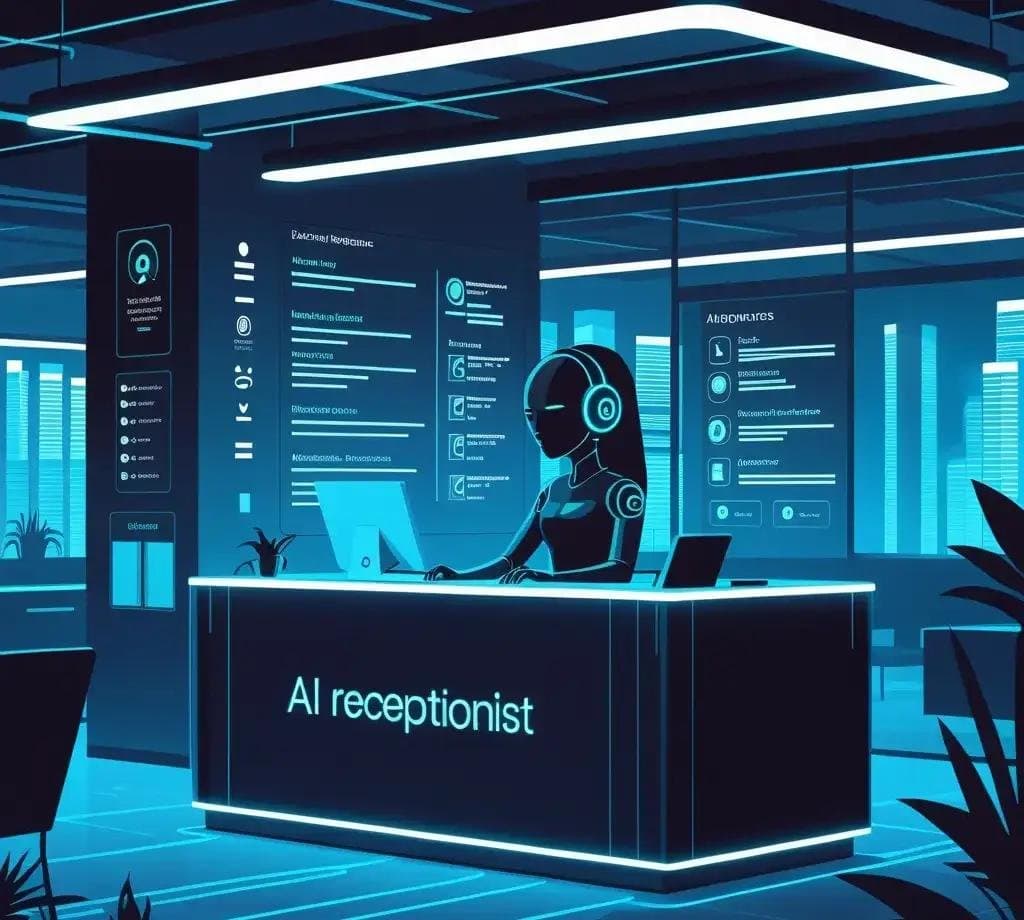
Missed calls and after-hours inquiries cost home healthcare agencies more than most realize. Here’s how I designed an AI receptionist around the agency’s process, connected it to their tools, and kept care decisions with people.
Missed calls quietly cost small businesses real clients. Here’s what an AI receptionist actually does, where it performs best, and the misconceptions that keep owners from using one.
Most small businesses are rushing into AI before they have systems worth automating. Here are four signs you’re not ready yet, and what to fix first so AI actually pays off.
The best first automations are boring: lead follow-up, reminders, invoicing, onboarding. Here’s how I pick where to start, and what I tell clients to leave alone.
Should you buy a CRM or build your own? Here’s how I help businesses weigh off-the-shelf against custom, when a custom CRM earns its keep, and the middle path most people miss.
I build on all four, so I don’t have a favorite to sell. Here’s how I decide between Next.js, WordPress, Webflow and Framer, and the trade-offs I explain before every project.
LCP, INP and CLS decoded for business owners: what each metric means, the thresholds that count, how to check your own site, and the fixes that usually matter most.
The technical SEO checklist I run on every small business website, from Search Console and robots.txt to canonicals, structured data and Google Business Profile. No agency retainer required.
Arduino is still one of the best ways for designers to prototype interactive, connected objects. Here’s the practical field guide I wish I’d had when I started building sensor-driven work.
Tangible technology is felt, not watched. Here’s what building Huggables for my MFA thesis, Tangible Tomorrow, taught me about designing warmth, touch and presence into objects.
A logo is a signature; a brand identity system is the whole handwriting. Here’s the step-by-step process I use to build brands that stay consistent from favicon to billboard.
Most print and packaging mistakes aren’t creative, they’re production mistakes. Here’s what growing up around my family’s printing press in Lahore taught me about designing for ink, paper and dielines.